
VS
BMW 7 Series vs Toyota Sienna - Differences and prices compared
Compare performance (536 HP vs 245 HP), trunk space and price (97,300 $ vs 37,700 $ ) at a glance. See which model fits your needs and budget better – BMW 7 Series or Toyota Sienna?
7 Series
Costs and Efficiency:
Price and efficiency are key factors when choosing a car – and this is often where the real differences emerge.
Toyota Sienna is clearly cheaper – starting at 37,700 $ , while the BMW 7 Series costs 97,300 $ . That’s a price difference of around 59,615 $.
When it comes to city fuel economy, the Toyota Sienna performs clearly better – achieving 36 mpg, compared to 25 mpg for the BMW 7 Series. That’s a difference of about 11 mpg.
Sienna
Engine and Performance:
Under the bonnet, it becomes clear which model is tuned for sportiness and which one takes the lead when you hit the accelerator.
When it comes to engine power, the BMW 7 Series offers substantially more power – delivering 536 HP compared to 245 HP. That’s roughly 291 HP more horsepower.
There’s also a difference in torque: the BMW 7 Series delivers significantly more torque with 553 lb-ft compared to 176 lb-ft. That’s about 377 lb-ft more.
Space and Everyday Use:
Beyond pure performance, interior space and usability matter most in daily life. This is where you see which car is more practical and versatile.
Seats: Toyota Sienna offers more seats – 8 vs 5.
In terms of curb weight, Toyota Sienna is marginally lighter – 4,610 lbs compared to 4,720 lbs. The difference is around 110 lbs.
Who wins the race in the data check?
The Toyota Sienna is decisively ahead in the objective data comparison.
This result only shows which model scores more points on paper – not which of the two cars feels right for you.
from $37,700

Toyota Sienna
BMW 7 Series
Toyota Sienna
Costs and Consumption
View detailed analysis
View detailed analysis
Engine and Performance
View detailed analysis
View detailed analysis
Dimensions and Body
View detailed analysis
View detailed analysis
General
View detailed analysis
View detailed analysis
BMW 7 Series
The BMW 7 Series epitomizes luxury and innovation, blending elegance with cutting-edge technology. Its sophisticated design features seamlessly integrate with a refined interior, offering unparalleled comfort and a suite of advanced driver assistance systems. The driving experience is remarkably smooth and powerful, making it a leader in the flagship sedan segment.
details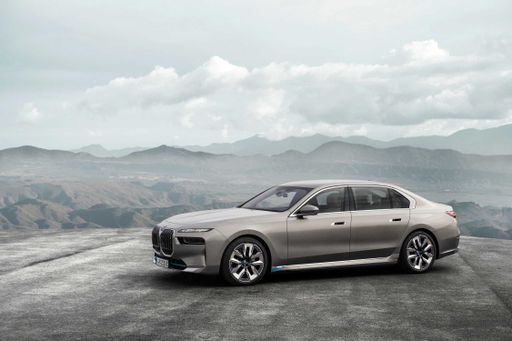
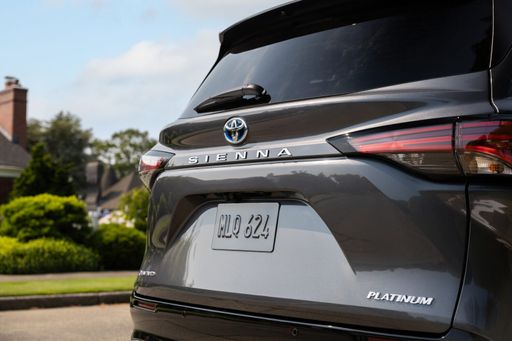
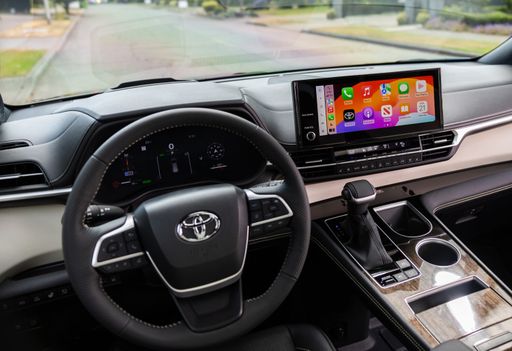
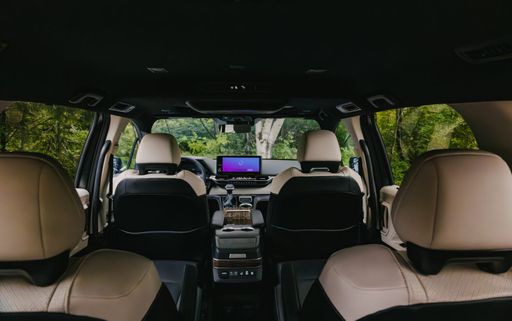
Toyota Sienna
The Toyota Sienna turns the daily grind into a chilled-out cruise, mixing hybrid serenity with a cabin that’s crammed with clever family perks. It won’t stir the soul like a hot hatch, but with available all-wheel drive, easygoing manners, and the kind of reliability you buy once and brag about for years, it’s the minivan that just makes life simpler.
details
BMW 7 Series
Toyota Sienna
Costs and Consumption |
|
|---|---|
|
Price
97,300 - 122,400 $
|
Price
37,700 - 53,900 $
|
|
FuelEconomy City
18 - 25 mpg
|
FuelEconomy City
35 - 36 mpg
|
|
FuelEconomy Hwy
25 - 31 MPG
|
FuelEconomy Hwy
36 MPG
|
|
Electric Range
-
|
Electric Range
-
|
|
Battery Capacity
-
|
Battery Capacity
-
|
|
Fuel tank capacity
19.5 gal
|
Fuel tank capacity
18 gal
|
Dimensions and Body |
|
|---|---|
|
Body Type
Sedan
|
Body Type
Van
|
|
Seats
5
|
Seats
7 - 8
|
|
Doors
-
|
Doors
-
|
|
Curb weight
4,720 - 5,095 lbs
|
Curb weight
4,610 - 4,725 lbs
|
|
Trunk Volume
19.1 cu. ft.
|
Trunk Volume
-
|
|
Length
212.2 in.
|
Length
203.7 - 204.1 in.
|
|
Width
76.8 in.
|
Width
78.5 in.
|
|
Height
60 in.
|
Height
68 - 69 in.
|
Engine and Performance |
|
|---|---|
|
Engine Type
, Plug-In Hybrid
|
Engine Type
Hybrid
|
|
Transmission
Automatic
|
Transmission
Automatic
|
|
Drive Type
Rear Wheel, All Wheel
|
Drive Type
Front Wheel, All Wheel
|
|
Power HP
375 - 536 HP
|
Power HP
245 HP
|
|
Torque
383 - 553 lb-ft
|
Torque
176 lb-ft
|
|
Number of Cylinders
-
|
Number of Cylinders
-
|
|
Engine Displacement
3 - 4.4 L
|
Engine Displacement
2.5 L
|
|
Gears
-
|
Gears
-
|
General |
|
|---|---|
|
Model Year
2,025
|
Model Year
2,024
|
|
Brand
BMW
|
Brand
Toyota
|
DriveDuel uses data analysis and artificial intelligence to evaluate vehicle data and create content. Content is regularly reviewed and improved.
Prices shown are manufacturer suggested retail prices (MSRP). Taxes, registration fees and dealer charges are not included.