VS

Chevrolet Malibu vs Hyundai Kona - Differences and prices compared

Compare performance (163 HP vs 190 HP), trunk space and price (25,800 $ vs 24,600 $ ) at a glance. See which model fits your needs and budget better – Chevrolet Malibu or Hyundai Kona?

Chevrolet Malibu vs Hyundai Kona: Key differences

Chevrolet Malibu

Hyundai Kona

  • only slightly cheaper
  • somewhat more power
  • very slightly lighter
Malibu

Sedan Serenity Meets Crossover Swagger

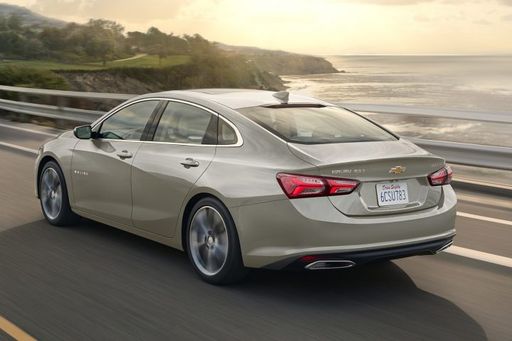
Chevrolet Malibu and Hyundai Kona show two very different paths to daily happiness: classic midsize sedan versus compact crossover with attitude. One sits low and glides, the other perches higher and pounces through traffic. Both aim to make your commute easier, your errands less annoying, and your weekends more spontaneous. The question is which flavor of ease you prefer.

Kona

Vibes Check: Quiet Confidence vs Urban Energy

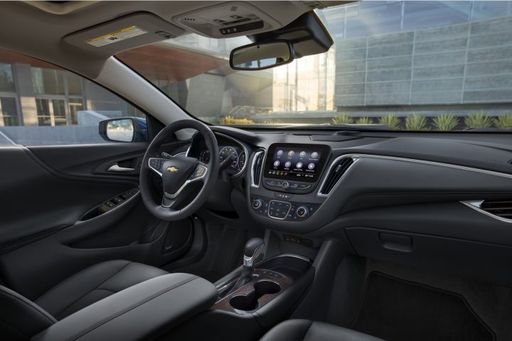
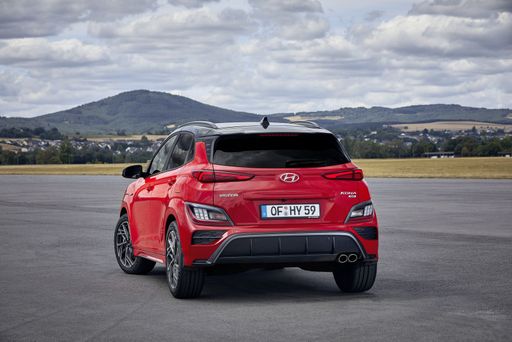
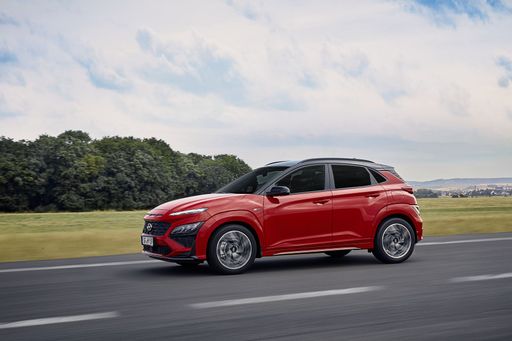
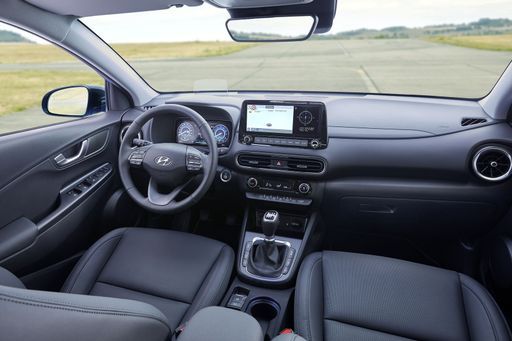
The Malibu plays it cool, with clean lines and an unhurried, grown-up feel that whispers “long drive, no problem.” The Kona brings bolder surfacing, a modern cockpit vibe, and a dash of playful adventure—you can almost hear it wink at every coffee shop window. In the Chevy, you sink in and exhale; in the Hyundai, you sit up and engage. Each delivers its own kind of confidence, one soothing, one spirited.

Malibu

Real Life: Trunk Lid or Tailgate?

If your week is measured in freeway miles and full-size passengers, the Malibu’s calm ride and easygoing cabin make rush hour feel less like a chore. That traditional trunk is neat and secure, while the back seat feels grown-up friendly. The Kona counters with upright seating, easy parking manners, and a hatch that eagerly swallows awkward gear and grocery hauls. Think of it as choosing between a tidy briefcase and a flexible backpack.

Kona

What Your Car Says About You

Pick the Malibu and you’re quietly telling the world you value smooth progress, familiar controls, and a sedan that doesn’t chase trends to feel modern. Choose the Kona and you’re signaling you like a contemporary feel, a higher view of the road, and a cabin that leans into tech without shouting about it. The Chevy reassures with understatement; the Hyundai energizes with momentum. Neither is trying to be everything—each doubles down on its own signature.

Malibu

If What Matters to You Is Effortless Calm, Say Hello to the Chevrolet Malibu

If what matters to you is a relaxed ride, straightforward ergonomics, and a car that settles into the freeway like it was built for it, the Chevrolet Malibu makes a strong case. It feels intuitive from mile one, with controls you don’t have to think about and a cabin that favors quiet over flash. Families who prize a serene second row and commuters who like to arrive unruffled will feel right at home. If the Kona’s energy appeals but your heart wants less buzz and more hush, the Malibu is your lane.

Kona

If What Matters to You Is Modern Versatility, Meet the Hyundai Kona

If what matters to you is a city-friendly size, a tech-forward cockpit, and the confidence of a higher seating position, the Hyundai Kona hits the sweet spot. It’s easy to park, eager to dart through gaps, and the hatchback layout makes life with bulky stuff surprisingly simple. Tech-minded drivers and style-conscious urbanites will appreciate its contemporary feel and playful attitude. If the Malibu’s composure is tempting but you want something that feels more current and adaptable, the Kona keeps things lively—now let’s see how the numbers shake out next.

Here’s where it gets real: The technical differences in detail

Malibu

Costs and Efficiency:

Price and efficiency are key factors when choosing a car – and this is often where the real differences emerge.

Hyundai Kona is only slightly cheaper – starting at 24,600 $ , while the Chevrolet Malibu costs 25,800 $ . That’s a price difference of around 1,250 $.

Kona

Engine and Performance:

Power, torque and acceleration say a lot about how a car feels on the road. This is where you see which model delivers more driving dynamics.

When it comes to engine power, the Hyundai Kona offers somewhat more power – delivering 190 HP compared to 163 HP. That’s roughly 27 HP more horsepower.

There’s also a difference in torque: the Hyundai Kona delivers only slightly more torque with 195 lb-ft compared to 184 lb-ft. That’s about 11 lb-ft more.

Malibu

Space and Everyday Use:

Whether family car or daily driver – which one offers more room, flexibility and comfort?

Both vehicles offer seating for 5 people.

In terms of curb weight, Hyundai Kona is very slightly lighter – 3,005 lbs compared to 3,135 lbs. The difference is around 130 lbs.

Who wins the race in the data check?

The Hyundai Kona has only a minor advantage in the objective data comparison.
This result only shows which model scores more points on paper – not which of the two cars feels right for you.

from $24,600
Kona

Hyundai Kona

  • Engine Type : Gasoline
  • Transmission : Automatic
  • Drive Type : Front Wheel, All Wheel
  • Power HP : 147 - 190 HP
Chevrolet Malibu
Hyundai Kona

Costs and Consumption

View detailed analysis

Engine and Performance

View detailed analysis

Dimensions and Body

View detailed analysis

General

View detailed analysis

Chevrolet Malibu

The Chevrolet Malibu is a calm, comfortable commuter that nails the basics with a smooth ride, a spacious cabin, and grown-up styling. It won’t shout about thrills, but it delivers easygoing value, intuitive tech, and an overall polish that makes everyday driving feel a bit more first-class.

details

Hyundai Kona

The Hyundai Kona brings funky, urban-chic styling and a surprisingly grown-up ride to the small-SUV party, making school runs and coffee runs feel a bit more special. With a techy cabin, clever space use, and powertrains ranging from frugal to feisty—including an EV—it’s the kind of crossover that’s just as happy in a tight parking garage as it is on a weekend escape.

details
Chevrolet Malibu
Hyundai Kona

Costs and Consumption

Price
25,800 - 31,500 $
Price
24,600 - 33,600 $
FuelEconomy City
-
FuelEconomy City
24 - 29 mpg
FuelEconomy Hwy
-
FuelEconomy Hwy
29 - 35 MPG
Electric Range
-
Electric Range
-
Battery Capacity
-
Battery Capacity
-
Fuel tank capacity
15.8 gal
Fuel tank capacity
12.4 - 13.2 gal

Dimensions and Body

Body Type
Sedan
Body Type
SUV
Seats
5
Seats
5
Doors
-
Doors
-
Curb weight
3,135 - 3,223 lbs
Curb weight
3,005 - 3,505 lbs
Trunk Volume
15.7 cu. ft.
Trunk Volume
-
Length
194.2 in.
Length
171.3 - 172.6 in.
Width
73 in.
Width
71.9 in.
Height
57 in.
Height
62 in.

Engine and Performance

Engine Type
Gasoline
Engine Type
Gasoline
Transmission
Automatic
Transmission
Automatic
Drive Type
Front Wheel
Drive Type
Front Wheel, All Wheel
Power HP
163 HP
Power HP
147 - 190 HP
Torque
184 lb-ft
Torque
132 - 195 lb-ft
Number of Cylinders
-
Number of Cylinders
-
Engine Displacement
-
Engine Displacement
1.6 - 2 L
Gears
-
Gears
-

General

Model Year
2,025
Model Year
2,025
Brand
Chevrolet
Brand
Hyundai
DriveDuel uses data analysis and artificial intelligence to evaluate vehicle data and create content. Content is regularly reviewed and improved. Prices shown are manufacturer suggested retail prices (MSRP). Taxes, registration fees and dealer charges are not included.