
VS
Hyundai Elantra Hybrid vs Volkswagen ID. Buzz - Differences and prices compared
Compare performance (139 HP vs 335 HP), trunk space and price (25,500 $ vs 65,500 $ ) at a glance. See which model fits your needs and budget better – Hyundai Elantra Hybrid or Volkswagen ID. Buzz?
Elantra Hybrid
Costs and Efficiency:
Price and efficiency are key factors when choosing a car – and this is often where the real differences emerge.
Hyundai Elantra Hybrid is considerably cheaper – starting at 25,500 $ , while the Volkswagen ID. Buzz costs 65,500 $ . That’s a price difference of around 40,045 $.
ID. Buzz
Engine and Performance:
Power, torque and acceleration say a lot about how a car feels on the road. This is where you see which model delivers more driving dynamics.
When it comes to engine power, the Volkswagen ID. Buzz offers significantly more power – delivering 335 HP compared to 139 HP. That’s roughly 196 HP more horsepower.
There’s also a difference in torque: the Volkswagen ID. Buzz delivers considerably more torque with 402 lb-ft compared to 195 lb-ft. That’s about 207 lb-ft more.
Space and Everyday Use:
Beyond pure performance, interior space and usability matter most in daily life. This is where you see which car is more practical and versatile.
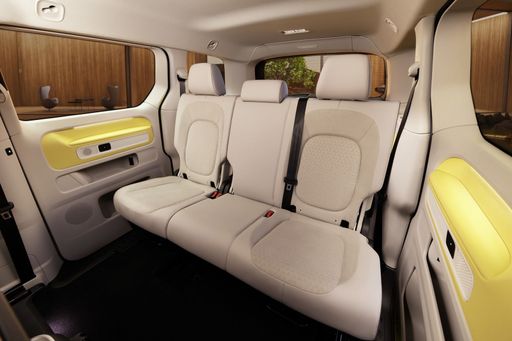
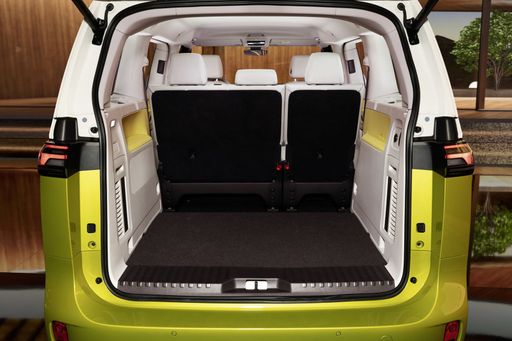
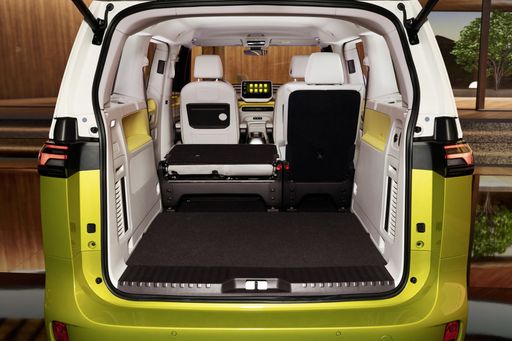
Seats: Volkswagen ID. Buzz offers more seats – 7 vs 5.
Who wins the race in the data check?
The Hyundai Elantra Hybrid holds a slight edge in the objective data comparison.
This result only shows which model scores more points on paper – not which of the two cars feels right for you.
from $25,500
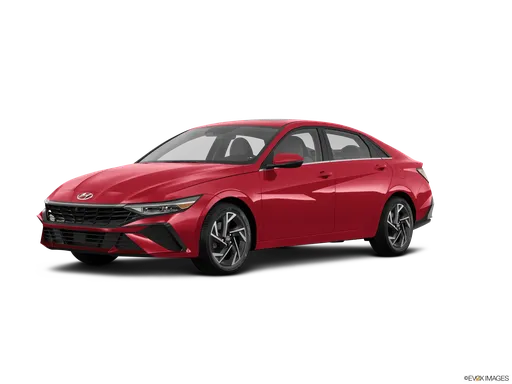
Hyundai Elantra Hybrid
Hyundai Elantra Hybrid
Volkswagen ID. Buzz
Costs and Consumption
View detailed analysis
View detailed analysis
Engine and Performance
View detailed analysis
View detailed analysis
Dimensions and Body
View detailed analysis
View detailed analysis
General
View detailed analysis
View detailed analysis
Hyundai Elantra Hybrid
The Hyundai Elantra Hybrid offers an impressive blend of fuel efficiency and stylish design, making it a standout in the compact car segment. It delivers a smooth and quiet ride, enriched by its well-appointed interior that provides both comfort and a modern aesthetic. With its advanced safety features and user-friendly technology, the Elantra Hybrid is a strong competitor for those seeking eco-friendly transportation without sacrificing sophistication.
details
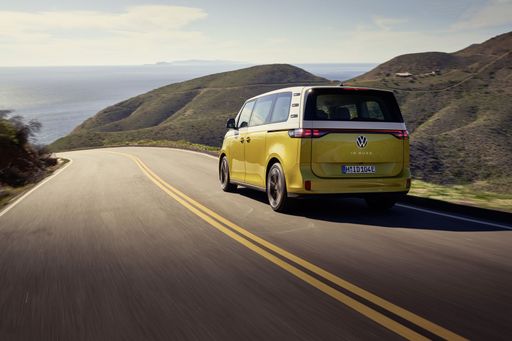
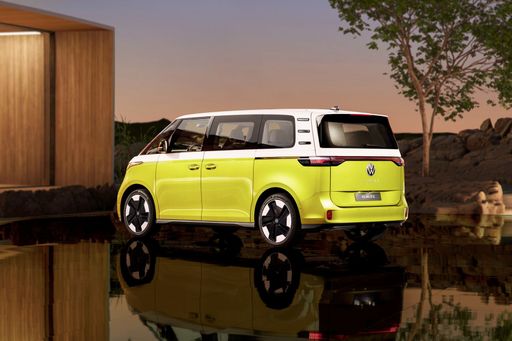
Volkswagen ID. Buzz
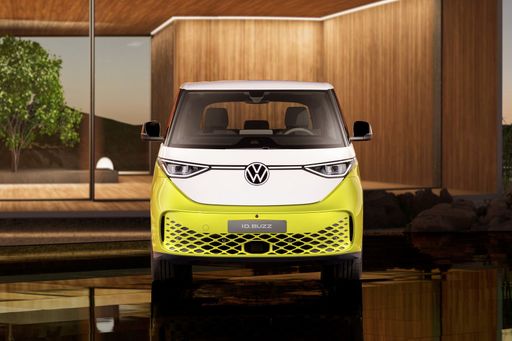
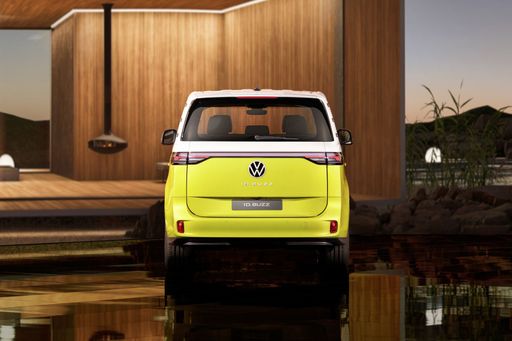
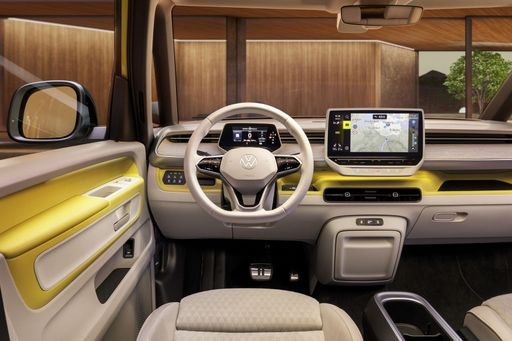
The Volkswagen ID. Buzz is a modern take on the classic microbus, seamlessly blending retro charm with cutting-edge electric technology. This vehicle captures the spirit of the iconic Volkswagen vans of the past while offering a sustainable solution for the future. Its design embraces a spacious interior and advanced features, making it an appealing choice for those seeking both nostalgia and innovation.
details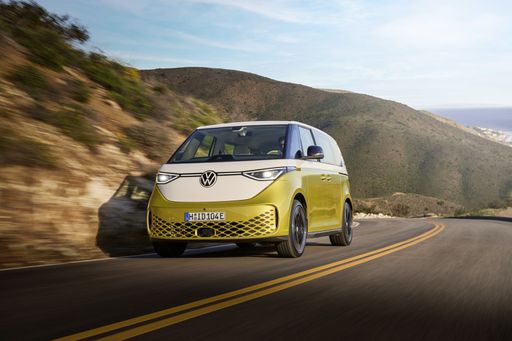
Hyundai Elantra Hybrid
Volkswagen ID. Buzz
Costs and Consumption |
|
|---|---|
|
Price
25,500 - 29,800 $
|
Price
65,500 - 70,000 $
|
|
FuelEconomy City
49 - 51 mpg
|
FuelEconomy City
-
|
|
FuelEconomy Hwy
52 - 58 MPG
|
FuelEconomy Hwy
-
|
|
Electric Range
-
|
Electric Range
-
|
|
Battery Capacity
-
|
Battery Capacity
-
|
|
Fuel tank capacity
11 gal
|
Fuel tank capacity
-
|
Dimensions and Body |
|
|---|---|
|
Body Type
Sedan
|
Body Type
Van, 4MOTION
|
|
Seats
5
|
Seats
6 - 7
|
|
Doors
-
|
Doors
-
|
|
Curb weight
2,965 - 3,069 lbs
|
Curb weight
-
|
|
Trunk Volume
14.2 cu. ft.
|
Trunk Volume
-
|
|
Length
185.4 in.
|
Length
195 in.
|
|
Width
71.9 in.
|
Width
78 in.
|
|
Height
55 in.
|
Height
75 in.
|
Engine and Performance |
|
|---|---|
|
Engine Type
Hybrid
|
Engine Type
Electric
|
|
Transmission
Automatic
|
Transmission
Automatic
|
|
Drive Type
Front Wheel
|
Drive Type
Rear Wheel, All Wheel
|
|
Power HP
139 HP
|
Power HP
282 - 335 HP
|
|
Torque
195 lb-ft
|
Torque
402 lb-ft
|
|
Number of Cylinders
-
|
Number of Cylinders
-
|
|
Engine Displacement
1.6 L
|
Engine Displacement
-
|
|
Gears
-
|
Gears
-
|
General |
|
|---|---|
|
Model Year
2025
|
Model Year
2025
|
|
Brand
Hyundai
|
Brand
Volkswagen
|
DriveDuel uses data analysis and artificial intelligence to evaluate vehicle data and create content. Content is regularly reviewed and improved.
Prices shown are manufacturer suggested retail prices (MSRP). Taxes, registration fees and dealer charges are not included.