
VS
Hyundai IONIQ 6 vs Toyota Camry - Differences and prices compared
Compare performance (320 HP vs 232 HP), trunk space and price (37,900 $ vs 28,700 $ ) at a glance. See which model fits your needs and budget better – Hyundai IONIQ 6 or Toyota Camry?
IONIQ 6
Costs and Efficiency:
Looking at overall running costs, both models reveal some interesting differences in everyday economy.
Toyota Camry is noticeably cheaper – starting at 28,700 $ , while the Hyundai IONIQ 6 costs 37,900 $ . That’s a price difference of around 9,150 $.
Camry
Engine and Performance:
Under the bonnet, it becomes clear which model is tuned for sportiness and which one takes the lead when you hit the accelerator.
When it comes to engine power, the Hyundai IONIQ 6 offers noticeably more power – delivering 320 HP compared to 232 HP. That’s roughly 88 HP more horsepower.
There’s also a difference in torque: the Hyundai IONIQ 6 delivers clearly more torque with 446 lb-ft compared to 163 lb-ft. That’s about 283 lb-ft more.
IONIQ 6
Space and Everyday Use:
Beyond pure performance, interior space and usability matter most in daily life. This is where you see which car is more practical and versatile.
Both vehicles offer seating for 5 people.
In terms of curb weight, Toyota Camry is moderately lighter – 3,450 lbs compared to 3,935 lbs. The difference is around 485 lbs.
In terms of cargo space, the Toyota Camry offers clearly more room – 15.1 cu. ft. compared to 11.2 cu. ft.. That’s a difference of about 3.9 cu. ft..
Who wins the race in the data check?
The Hyundai IONIQ 6 is narrowly ahead in the objective data comparison.
This result only shows which model scores more points on paper – not which of the two cars feels right for you.
from $37,900
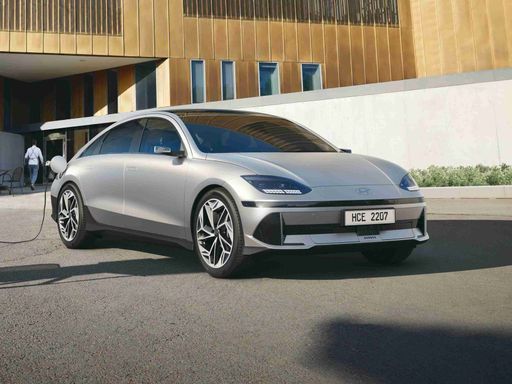
Hyundai IONIQ 6
Hyundai IONIQ 6
Toyota Camry
Costs and Consumption
View detailed analysis
View detailed analysis
Engine and Performance
View detailed analysis
View detailed analysis
Dimensions and Body
View detailed analysis
View detailed analysis
General
View detailed analysis
View detailed analysis
Hyundai IONIQ 6
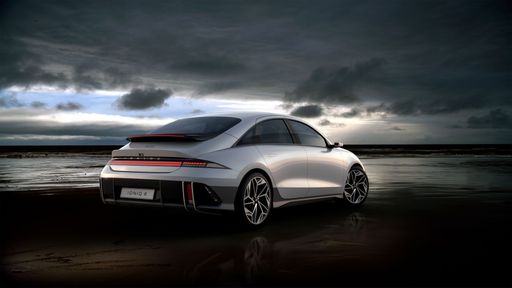
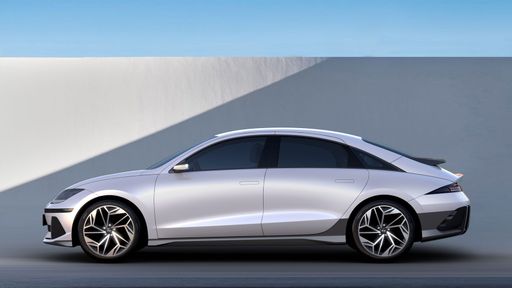
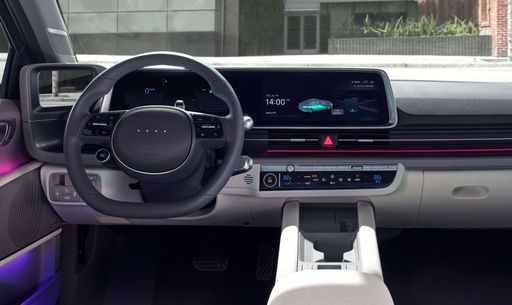
The Hyundai IONIQ 6 embodies a sleek, futuristic design that sets it apart in the realm of electric vehicles. Its aerodynamic silhouette and contemporary features provide a glimpse into the future of sustainable transportation. Inside, the IONIQ 6 offers a harmonious blend of advanced technology and premium comfort, making it an appealing choice for eco-conscious drivers.
details
Toyota Camry
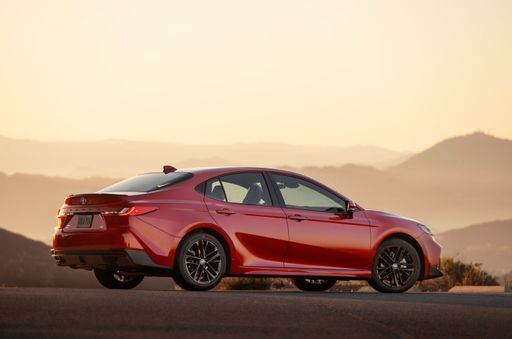
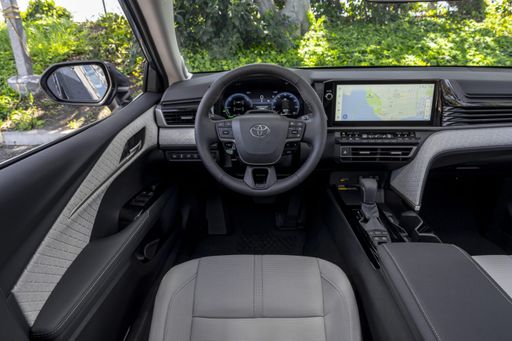
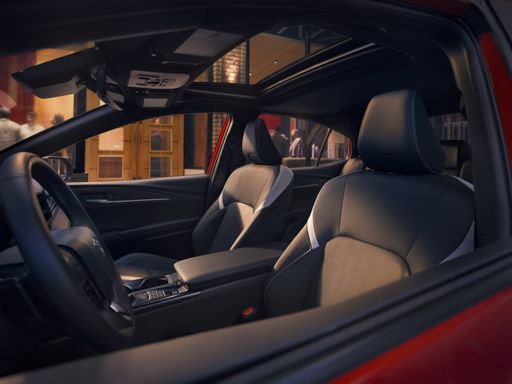
The Toyota Camry is the family-sedan no-brainer that’s grown a personality, blending calm, near‑lux comfort with just enough chassis sparkle to keep your coffee in the cup and a smile on your face. Backed by rock‑solid reliability, easy ownership costs, and a roomy, quiet cabin, it’s the safe choice that doesn’t feel like settling.
details
Hyundai IONIQ 6
Toyota Camry
Costs and Consumption |
|
|---|---|
|
Price
37,900 - 54,600 $
|
Price
28,700 - 36,400 $
|
|
FuelEconomy City
-
|
FuelEconomy City
44 - 53 mpg
|
|
FuelEconomy Hwy
-
|
FuelEconomy Hwy
43 - 53 MPG
|
|
Electric Range
-
|
Electric Range
-
|
|
Battery Capacity
-
|
Battery Capacity
-
|
|
Fuel tank capacity
-
|
Fuel tank capacity
13 - 13.2 gal
|
Dimensions and Body |
|
|---|---|
|
Body Type
Sedan
|
Body Type
Sedan
|
|
Seats
5
|
Seats
5
|
|
Doors
-
|
Doors
-
|
|
Curb weight
3,935 - 4,616 lbs
|
Curb weight
3,450 - 3,682 lbs
|
|
Trunk Volume
11.2 cu. ft.
|
Trunk Volume
15.1 cu. ft.
|
|
Length
191.1 in.
|
Length
192.1 - 193.5 in.
|
|
Width
74 in.
|
Width
72.4 in.
|
|
Height
58 in.
|
Height
56 in.
|
Engine and Performance |
|
|---|---|
|
Engine Type
Electric
|
Engine Type
Hybrid
|
|
Transmission
Automatic
|
Transmission
Automatic
|
|
Drive Type
Rear Wheel, All Wheel
|
Drive Type
Front Wheel, All Wheel
|
|
Power HP
149 - 320 HP
|
Power HP
208 - 232 HP
|
|
Torque
258 - 446 lb-ft
|
Torque
163 lb-ft
|
|
Number of Cylinders
-
|
Number of Cylinders
-
|
|
Engine Displacement
-
|
Engine Displacement
2.5 L
|
|
Gears
-
|
Gears
-
|
General |
|
|---|---|
|
Model Year
2,025
|
Model Year
2,024 - 2,025
|
|
Brand
Hyundai
|
Brand
Toyota
|
DriveDuel uses data analysis and artificial intelligence to evaluate vehicle data and create content. Content is regularly reviewed and improved.
Prices shown are manufacturer suggested retail prices (MSRP). Taxes, registration fees and dealer charges are not included.