
VS
Hyundai Tucson Hybrid vs Ram 1500 - Differences and prices compared
Compare performance (231 HP vs 540 HP), trunk space and price (33,500 $ vs 40,300 $ ) at a glance. See which model fits your needs and budget better – Hyundai Tucson Hybrid or Ram 1500?
Tucson Hybrid
Costs and Efficiency:
Price and efficiency are key factors when choosing a car – and this is often where the real differences emerge.
Hyundai Tucson Hybrid is markedly cheaper – starting at 33,500 $ , while the Ram 1500 costs 40,300 $ . That’s a price difference of around 6,810 $.
When it comes to city fuel economy, the Hyundai Tucson Hybrid performs considerably better – achieving 38 mpg, compared to 20 mpg for the Ram 1500. That’s a difference of about 18 mpg.
1500
Engine and Performance:
Power, torque and acceleration say a lot about how a car feels on the road. This is where you see which model delivers more driving dynamics.
When it comes to engine power, the Ram 1500 offers substantially more power – delivering 540 HP compared to 231 HP. That’s roughly 309 HP more horsepower.
There’s also a difference in torque: the Ram 1500 delivers considerably more torque with 521 lb-ft compared to 258 lb-ft. That’s about 263 lb-ft more.
Tucson Hybrid
Space and Everyday Use:
Cabin size, boot volume and payload all play a role in everyday practicality. Here, comfort and flexibility make the difference.
Seats: Ram 1500 offers more seats – 6 vs 5.
In terms of curb weight, Hyundai Tucson Hybrid is markedly lighter – 3,770 lbs compared to 4,820 lbs. The difference is around 1,050 lbs.
Who wins the race in the data check?
The Ram 1500 holds a decisive overall lead in the objective data comparison.
This result only shows which model scores more points on paper – not which of the two cars feels right for you.
from $40,300
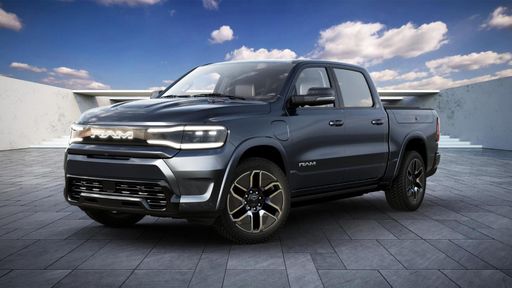
Ram 1500
Hyundai Tucson Hybrid
Ram 1500
Costs and Consumption
View detailed analysis
View detailed analysis
Engine and Performance
View detailed analysis
View detailed analysis
Dimensions and Body
View detailed analysis
View detailed analysis
General
View detailed analysis
View detailed analysis
Hyundai Tucson Hybrid
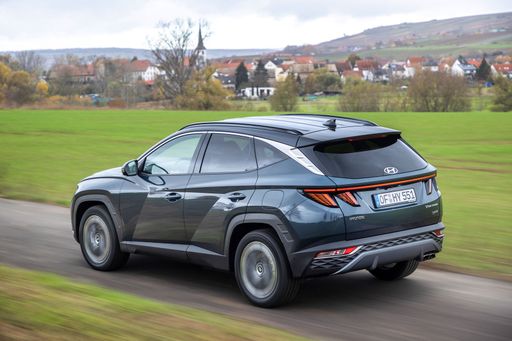
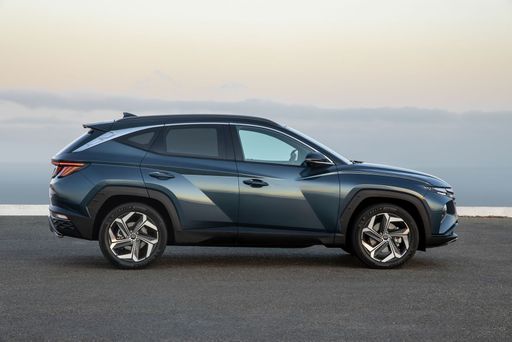
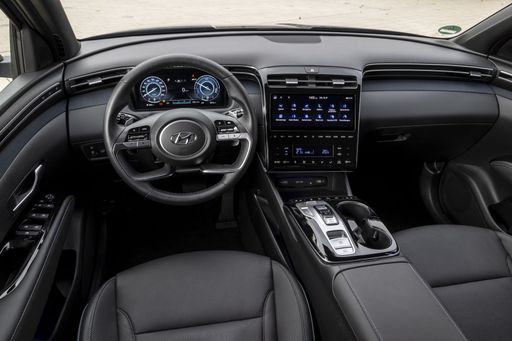
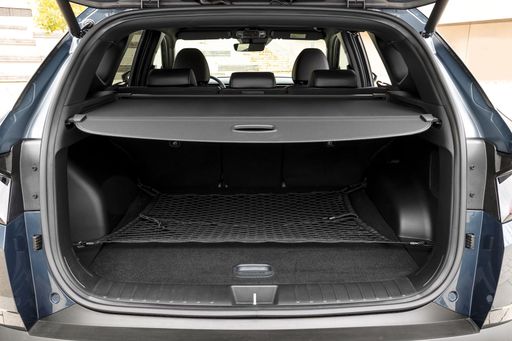
The Tucson Hybrid wraps bold looks and a calm, confident ride in a package that sips fuel and shrugs off daily grind with easygoing punch. Inside, it’s spacious, well-kitted, and user-friendly—proof that you don’t need to spend luxury money to feel a little fancy on the school run.
details
Ram 1500
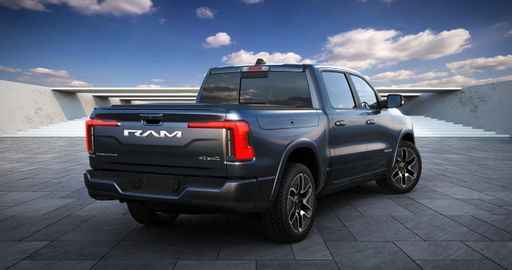
The Ram 1500 marries big-truck brawn with a surprisingly plush, quiet ride, so you can haul mulch on Saturday and cruise like a king on Sunday. Inside, it’s all wide seats and smart storage, with a dash of luxe that makes other pickups feel like they showed up in work boots to a black-tie event.
details
Hyundai Tucson Hybrid
Ram 1500
Costs and Consumption |
|
|---|---|
|
Price
33,500 - 41,300 $
|
Price
40,300 - 87,100 $
|
|
FuelEconomy City
37 - 38 mpg
|
FuelEconomy City
15 - 20 mpg
|
|
FuelEconomy Hwy
36 - 38 MPG
|
FuelEconomy Hwy
21 - 26 MPG
|
|
Electric Range
-
|
Electric Range
-
|
|
Battery Capacity
-
|
Battery Capacity
-
|
|
Fuel tank capacity
13.7 gal
|
Fuel tank capacity
23 - 33 gal
|
Dimensions and Body |
|
|---|---|
|
Body Type
SUV
|
Body Type
Pickup
|
|
Seats
5
|
Seats
5 - 6
|
|
Doors
-
|
Doors
-
|
|
Curb weight
3,770 - 3,919 lbs
|
Curb weight
4,820 - 6,283 lbs
|
|
Trunk Volume
-
|
Trunk Volume
-
|
|
Length
182.7 - 184.1 in.
|
Length
228.9 - 241.8 in.
|
|
Width
73.4 in.
|
Width
82.1 - 88 in.
|
|
Height
66 in.
|
Height
77 - 81 in.
|
Engine and Performance |
|
|---|---|
|
Engine Type
Hybrid
|
Engine Type
Gasoline
|
|
Transmission
Automatic
|
Transmission
Automatic
|
|
Drive Type
All Wheel
|
Drive Type
Rear Wheel, All Wheel
|
|
Power HP
231 HP
|
Power HP
305 - 540 HP
|
|
Torque
258 lb-ft
|
Torque
269 - 521 lb-ft
|
|
Number of Cylinders
-
|
Number of Cylinders
-
|
|
Engine Displacement
1.6 L
|
Engine Displacement
3 - 3.6 L
|
|
Gears
-
|
Gears
-
|
General |
|
|---|---|
|
Model Year
2025
|
Model Year
2025
|
|
Brand
Hyundai
|
Brand
Ram
|
DriveDuel uses data analysis and artificial intelligence to evaluate vehicle data and create content. Content is regularly reviewed and improved.
Prices shown are manufacturer suggested retail prices (MSRP). Taxes, registration fees and dealer charges are not included.