
VS
Hyundai Tucson Plug-In Hybrid vs Kia Niro Plug-In Hybrid - Differences and prices compared
Compare performance (268 HP vs 180 HP), trunk space and price (39,600 $ vs 34,400 $ ) at a glance. See which model fits your needs and budget better – Hyundai Tucson Plug-In Hybrid or Kia Niro Plug-In Hybrid?
Tucson Plug-In Hybrid
Costs and Efficiency:
Price and efficiency are often the first things buyers look at. Here it becomes clear which model has the long-term edge – whether at the pump, the plug, or in purchase price.
Kia Niro Plug-In Hybrid is a bit cheaper – starting at 34,400 $ , while the Hyundai Tucson Plug-In Hybrid costs 39,600 $ . That’s a price difference of around 5,240 $.
Niro Plug-In Hybrid
Engine and Performance:
Under the bonnet, it becomes clear which model is tuned for sportiness and which one takes the lead when you hit the accelerator.
When it comes to engine power, the Hyundai Tucson Plug-In Hybrid offers noticeably more power – delivering 268 HP compared to 180 HP. That’s roughly 88 HP more horsepower.
There’s also a difference in torque: the Hyundai Tucson Plug-In Hybrid delivers clearly more torque with 258 lb-ft compared to 195 lb-ft. That’s about 63 lb-ft more.
Tucson Plug-In Hybrid
Space and Everyday Use:
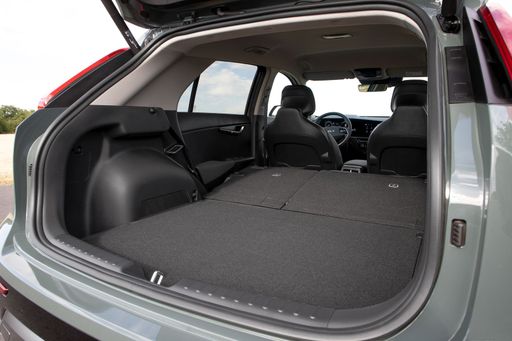
Cabin size, boot volume and payload all play a role in everyday practicality. Here, comfort and flexibility make the difference.
Both vehicles offer seating for 5 people.
In terms of curb weight, Kia Niro Plug-In Hybrid is clearly lighter – 3,336 lbs compared to 4,121 lbs. The difference is around 785 lbs.
Who wins the race in the data check?
The Hyundai Tucson Plug-In Hybrid comes out modestly ahead in the objective data comparison.
This result only shows which model scores more points on paper – not which of the two cars feels right for you.
from $39,600

Hyundai Tucson Plug-In Hybrid
Hyundai Tucson Plug-In Hybrid
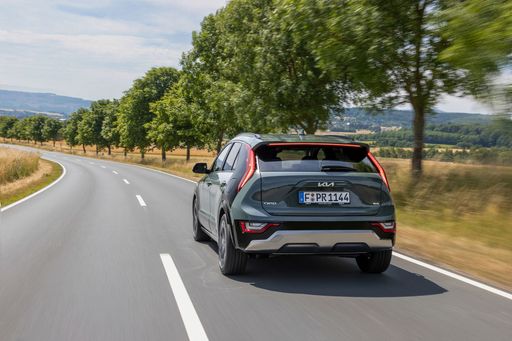
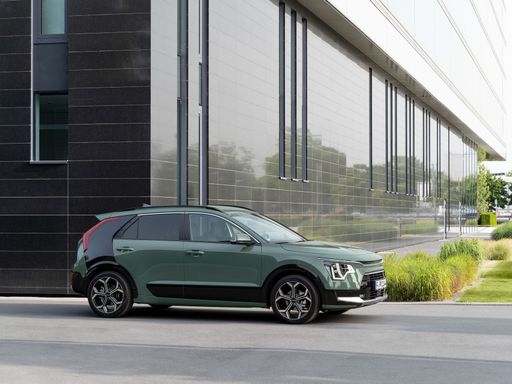
Kia Niro Plug-In Hybrid
Costs and Consumption
View detailed analysis
View detailed analysis
Engine and Performance
View detailed analysis
View detailed analysis
Dimensions and Body
View detailed analysis
View detailed analysis
General
View detailed analysis
View detailed analysis
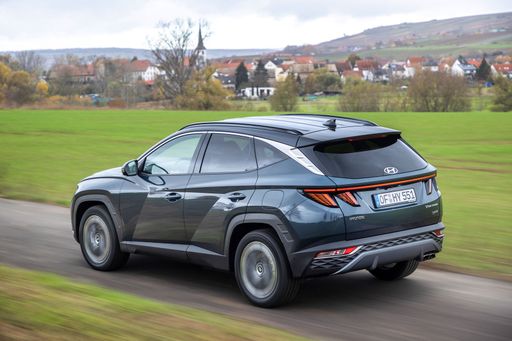
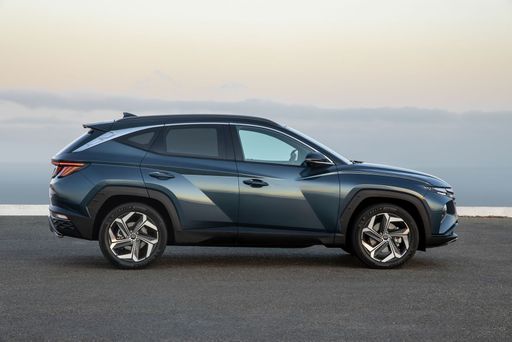
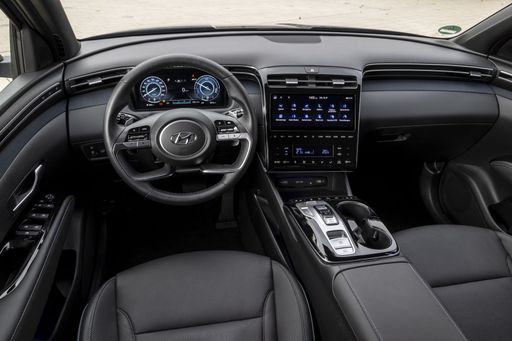
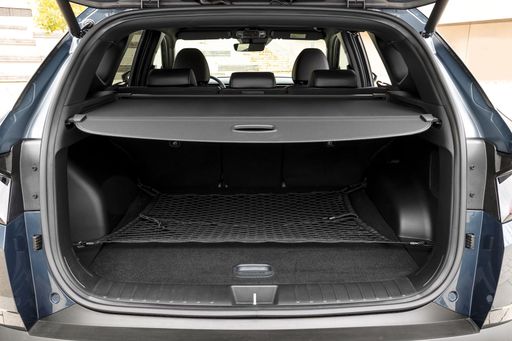
Hyundai Tucson Plug-In Hybrid
The Hyundai Tucson Plug-In Hybrid seamlessly blends modern design with eco-friendly technology, offering an appealing option for the environmentally conscious driver. Its advanced hybrid system allows for both efficient fuel use and extended electric driving capability, ensuring versatility for various driving needs. The spacious and stylish interior complements the innovative features, making the Tucson Plug-In Hybrid an attractive choice for those seeking a balance of performance and sustainability.
details
Kia Niro Plug-In Hybrid
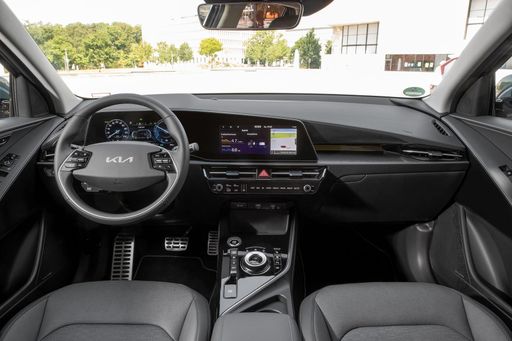
The Kia Niro Plug-In Hybrid seamlessly blends functionality with eco-friendly technology, offering a modern and versatile driving experience. Its sleek design and intuitive interior features provide both comfort and convenience for everyday use. With its efficient hybrid system, the Niro Plug-In Hybrid is designed to reduce emissions while maintaining impressive performance on a variety of journeys.
details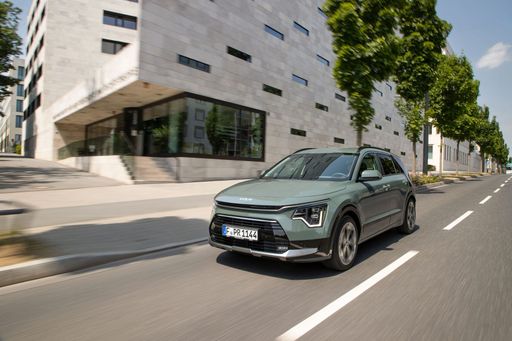
Hyundai Tucson Plug-In Hybrid
Kia Niro Plug-In Hybrid
Costs and Consumption |
|
|---|---|
|
Price
39,600 - 47,300 $
|
Price
34,400 - 40,100 $
|
|
FuelEconomy City
-
|
FuelEconomy City
53 mpg
|
|
FuelEconomy Hwy
-
|
FuelEconomy Hwy
54 MPG
|
|
Electric Range
-
|
Electric Range
-
|
|
Battery Capacity
-
|
Battery Capacity
-
|
|
Fuel tank capacity
11.1 gal
|
Fuel tank capacity
9.8 gal
|
Dimensions and Body |
|
|---|---|
|
Body Type
SUV
|
Body Type
SUV
|
|
Seats
5
|
Seats
5
|
|
Doors
-
|
Doors
-
|
|
Curb weight
4,121 - 4,265 lbs
|
Curb weight
3,336 lbs
|
|
Trunk Volume
-
|
Trunk Volume
-
|
|
Length
182.7 in.
|
Length
174 in.
|
|
Width
73.4 in.
|
Width
71.9 in.
|
|
Height
66 in.
|
Height
60 in.
|
Engine and Performance |
|
|---|---|
|
Engine Type
Plug-In Hybrid
|
Engine Type
Plug-In Hybrid
|
|
Transmission
Automatic
|
Transmission
Automatic
|
|
Drive Type
All Wheel
|
Drive Type
Front Wheel
|
|
Power HP
268 HP
|
Power HP
180 HP
|
|
Torque
258 lb-ft
|
Torque
195 lb-ft
|
|
Number of Cylinders
-
|
Number of Cylinders
-
|
|
Engine Displacement
1.6 L
|
Engine Displacement
1.6 L
|
|
Gears
-
|
Gears
-
|
General |
|
|---|---|
|
Model Year
2,025
|
Model Year
2,024
|
|
Brand
Hyundai
|
Brand
Kia
|
DriveDuel uses data analysis and artificial intelligence to evaluate vehicle data and create content. Content is regularly reviewed and improved.
Prices shown are manufacturer suggested retail prices (MSRP). Taxes, registration fees and dealer charges are not included.