
VS
Hyundai Tucson Plug-In Hybrid vs Nissan Murano - Differences and prices compared
Compare performance (268 HP vs 260 HP), trunk space and price (39,600 $ vs 38,700 $ ) at a glance. See which model fits your needs and budget better – Hyundai Tucson Plug-In Hybrid or Nissan Murano?
Tucson Plug-In Hybrid
Costs and Efficiency:
Price and efficiency are key factors when choosing a car – and this is often where the real differences emerge.
Nissan Murano is very slightly cheaper – starting at 38,700 $ , while the Hyundai Tucson Plug-In Hybrid costs 39,600 $ . That’s a price difference of around 890 $.
Tucson Plug-In Hybrid
Engine and Performance:
Under the bonnet, it becomes clear which model is tuned for sportiness and which one takes the lead when you hit the accelerator.
When it comes to engine power, the Hyundai Tucson Plug-In Hybrid offers marginally more power – delivering 268 HP compared to 260 HP. That’s roughly 8 HP more horsepower.
There’s also a difference in torque: the Hyundai Tucson Plug-In Hybrid delivers barely more torque with 258 lb-ft compared to 240 lb-ft. That’s about 18 lb-ft more.
Tucson Plug-In Hybrid
Space and Everyday Use:
Cabin size, boot volume and payload all play a role in everyday practicality. Here, comfort and flexibility make the difference.
Both vehicles offer seating for 5 people.
In terms of curb weight, Nissan Murano is marginally lighter – 3,892 lbs compared to 4,121 lbs. The difference is around 229 lbs.
Who wins the race in the data check?
The Nissan Murano is decisively ahead in the objective data comparison.
This result only shows which model scores more points on paper – not which of the two cars feels right for you.
from $38,700

Nissan Murano
Hyundai Tucson Plug-In Hybrid
Nissan Murano
Costs and Consumption
View detailed analysis
View detailed analysis
Engine and Performance
View detailed analysis
View detailed analysis
Dimensions and Body
View detailed analysis
View detailed analysis
General
View detailed analysis
View detailed analysis
Hyundai Tucson Plug-In Hybrid
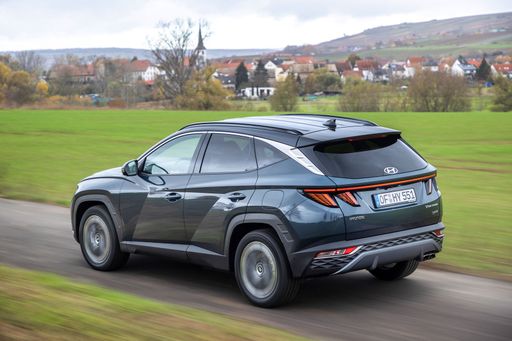
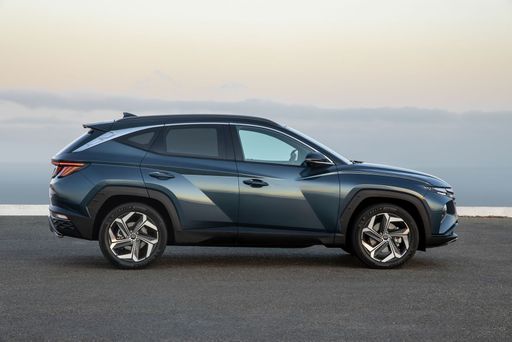
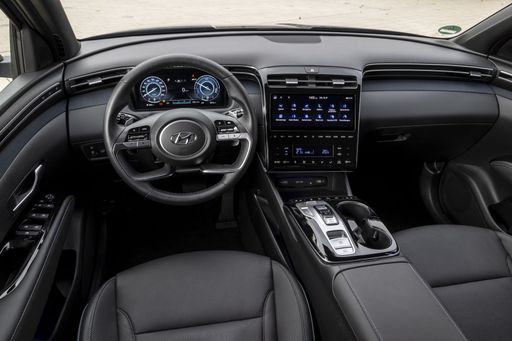
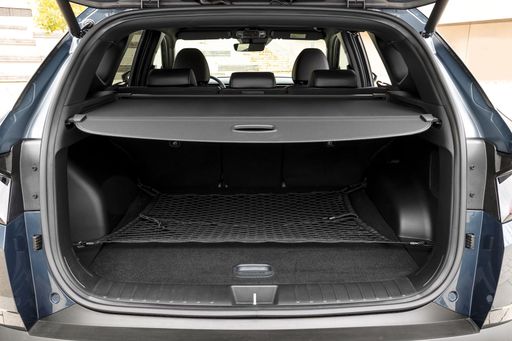
The Hyundai Tucson Plug-In Hybrid seamlessly blends modern design with eco-friendly technology, offering an appealing option for the environmentally conscious driver. Its advanced hybrid system allows for both efficient fuel use and extended electric driving capability, ensuring versatility for various driving needs. The spacious and stylish interior complements the innovative features, making the Tucson Plug-In Hybrid an attractive choice for those seeking a balance of performance and sustainability.
details
Nissan Murano
The Nissan Murano glides like a lounge on wheels, with swoopy styling that still turns heads at the grocery store. It’s not chasing lap times, but if you want cushy comfort, quiet cruising, and hassle-free family duty, this big-hearted Nissan nails the brief with a relaxed smile.
details
Hyundai Tucson Plug-In Hybrid
Nissan Murano
Costs and Consumption |
|
|---|---|
|
Price
39,600 - 47,300 $
|
Price
38,700 - 48,500 $
|
|
FuelEconomy City
-
|
FuelEconomy City
20 mpg
|
|
FuelEconomy Hwy
-
|
FuelEconomy Hwy
28 MPG
|
|
Electric Range
-
|
Electric Range
-
|
|
Battery Capacity
-
|
Battery Capacity
-
|
|
Fuel tank capacity
11.1 gal
|
Fuel tank capacity
19 gal
|
Dimensions and Body |
|
|---|---|
|
Body Type
SUV
|
Body Type
SUV
|
|
Seats
5
|
Seats
5
|
|
Doors
-
|
Doors
-
|
|
Curb weight
4,121 - 4,265 lbs
|
Curb weight
3,892 - 4,165 lbs
|
|
Trunk Volume
-
|
Trunk Volume
-
|
|
Length
182.7 in.
|
Length
192.8 in.
|
|
Width
73.4 in.
|
Width
75.4 in.
|
|
Height
66 in.
|
Height
67 in.
|
Engine and Performance |
|
|---|---|
|
Engine Type
Plug-In Hybrid
|
Engine Type
Gasoline
|
|
Transmission
Automatic
|
Transmission
Automatic
|
|
Drive Type
All Wheel
|
Drive Type
Front Wheel, All Wheel
|
|
Power HP
268 HP
|
Power HP
260 HP
|
|
Torque
258 lb-ft
|
Torque
240 lb-ft
|
|
Number of Cylinders
-
|
Number of Cylinders
-
|
|
Engine Displacement
1.6 L
|
Engine Displacement
3.5 L
|
|
Gears
-
|
Gears
-
|
General |
|
|---|---|
|
Model Year
2,025
|
Model Year
2,024
|
|
Brand
Hyundai
|
Brand
Nissan
|
DriveDuel uses data analysis and artificial intelligence to evaluate vehicle data and create content. Content is regularly reviewed and improved.
Prices shown are manufacturer suggested retail prices (MSRP). Taxes, registration fees and dealer charges are not included.