
VS
Hyundai Tucson Plug-In Hybrid vs Nissan Rogue - Differences and prices compared
Compare performance (268 HP vs 201 HP), trunk space and price (39,600 $ vs 29,200 $ ) at a glance. See which model fits your needs and budget better – Hyundai Tucson Plug-In Hybrid or Nissan Rogue?
Tucson Plug-In Hybrid
Costs and Efficiency:
When it comes to price and running costs, the biggest differences usually appear. This is often where you see which car fits your budget better in the long run.
Nissan Rogue is noticeably cheaper – starting at 29,200 $ , while the Hyundai Tucson Plug-In Hybrid costs 39,600 $ . That’s a price difference of around 10,400 $.
Rogue
Engine and Performance:
Power, torque and acceleration say a lot about how a car feels on the road. This is where you see which model delivers more driving dynamics.
When it comes to engine power, the Hyundai Tucson Plug-In Hybrid offers clearly more power – delivering 268 HP compared to 201 HP. That’s roughly 67 HP more horsepower.
There’s also a difference in torque: the Hyundai Tucson Plug-In Hybrid delivers somewhat more torque with 258 lb-ft compared to 225 lb-ft. That’s about 33 lb-ft more.
Tucson Plug-In Hybrid
Space and Everyday Use:
Whether family car or daily driver – which one offers more room, flexibility and comfort?
Both vehicles offer seating for 5 people.
In terms of curb weight, Nissan Rogue is a bit lighter – 3,477 lbs compared to 4,121 lbs. The difference is around 644 lbs.
Who wins the race in the data check?
The Nissan Rogue comes out modestly ahead in the objective data comparison.
This result only shows which model scores more points on paper – not which of the two cars feels right for you.
from $29,200

Nissan Rogue
Hyundai Tucson Plug-In Hybrid
Nissan Rogue
Costs and Consumption
View detailed analysis
View detailed analysis
Engine and Performance
View detailed analysis
View detailed analysis
Dimensions and Body
View detailed analysis
View detailed analysis
General
View detailed analysis
View detailed analysis
Hyundai Tucson Plug-In Hybrid
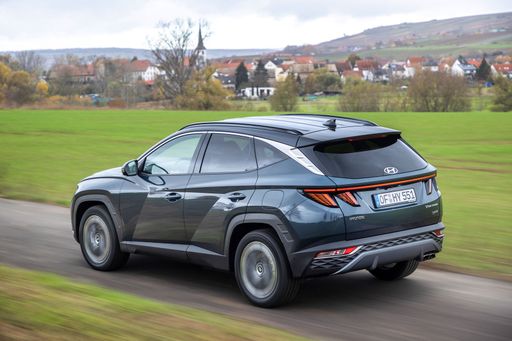
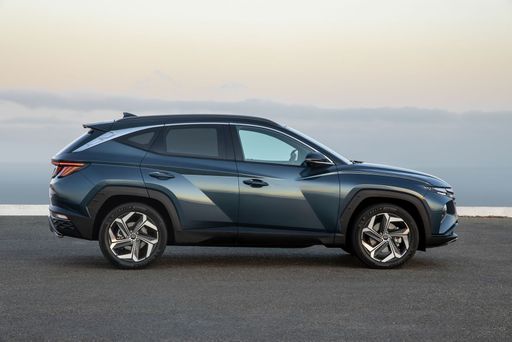
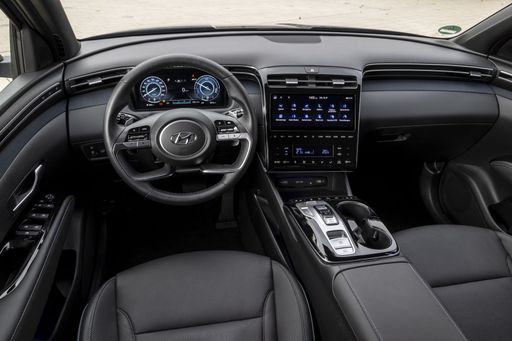
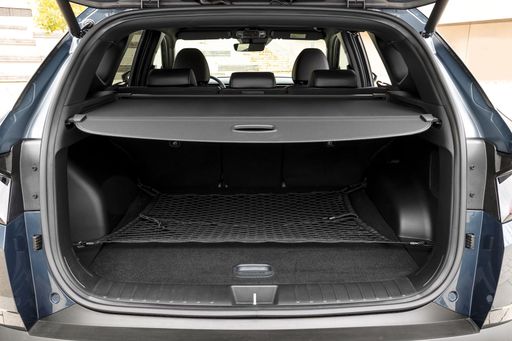
The Hyundai Tucson Plug-In Hybrid seamlessly blends modern design with eco-friendly technology, offering an appealing option for the environmentally conscious driver. Its advanced hybrid system allows for both efficient fuel use and extended electric driving capability, ensuring versatility for various driving needs. The spacious and stylish interior complements the innovative features, making the Tucson Plug-In Hybrid an attractive choice for those seeking a balance of performance and sustainability.
details
Nissan Rogue
The Nissan Rogue stands out in the crowded compact SUV market with its stylish design and comfort-driven interior. It offers a smooth driving experience with a focus on efficiency and modern driver assistance features. Inside, the ample cargo space and innovative tech features make it a practical choice for families and adventure seekers alike.
details
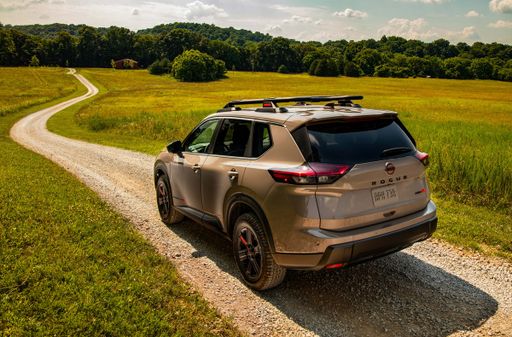
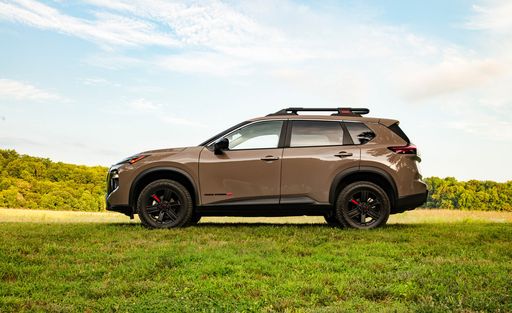
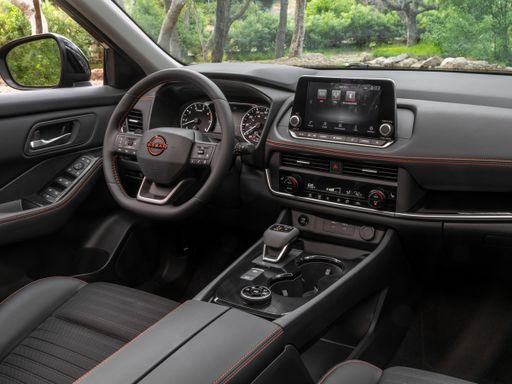
Hyundai Tucson Plug-In Hybrid
Nissan Rogue
Costs and Consumption |
|
|---|---|
|
Price
39,600 - 47,300 $
|
Price
29,200 - 40,900 $
|
|
FuelEconomy City
-
|
FuelEconomy City
27 - 30 mpg
|
|
FuelEconomy Hwy
-
|
FuelEconomy Hwy
32 - 37 MPG
|
|
Electric Range
-
|
Electric Range
-
|
|
Battery Capacity
-
|
Battery Capacity
-
|
|
Fuel tank capacity
11.1 gal
|
Fuel tank capacity
14.5 gal
|
Dimensions and Body |
|
|---|---|
|
Body Type
SUV
|
Body Type
SUV
|
|
Seats
5
|
Seats
5
|
|
Doors
-
|
Doors
-
|
|
Curb weight
4,121 - 4,265 lbs
|
Curb weight
3,477 - 3,737 lbs
|
|
Trunk Volume
-
|
Trunk Volume
-
|
|
Length
182.7 in.
|
Length
183 in.
|
|
Width
73.4 in.
|
Width
72.4 in.
|
|
Height
66 in.
|
Height
66 in.
|
Engine and Performance |
|
|---|---|
|
Engine Type
Plug-In Hybrid
|
Engine Type
Gasoline
|
|
Transmission
Automatic
|
Transmission
Automatic
|
|
Drive Type
All Wheel
|
Drive Type
Front Wheel, All Wheel
|
|
Power HP
268 HP
|
Power HP
201 HP
|
|
Torque
258 lb-ft
|
Torque
225 lb-ft
|
|
Number of Cylinders
-
|
Number of Cylinders
-
|
|
Engine Displacement
1.6 L
|
Engine Displacement
1.5 L
|
|
Gears
-
|
Gears
-
|
General |
|
|---|---|
|
Model Year
2,025
|
Model Year
2,025
|
|
Brand
Hyundai
|
Brand
Nissan
|
DriveDuel uses data analysis and artificial intelligence to evaluate vehicle data and create content. Content is regularly reviewed and improved.
Prices shown are manufacturer suggested retail prices (MSRP). Taxes, registration fees and dealer charges are not included.