
VS
Hyundai Tucson vs Volvo XC40 - Differences and prices compared
Compare performance (187 HP vs 247 HP), trunk space and price (28,700 $ vs 40,700 $ ) at a glance. See which model fits your needs and budget better – Hyundai Tucson or Volvo XC40?
Tucson
Costs and Efficiency:
Price and efficiency are often the first things buyers look at. Here it becomes clear which model has the long-term edge – whether at the pump, the plug, or in purchase price.
Hyundai Tucson is clearly cheaper – starting at 28,700 $ , while the Volvo XC40 costs 40,700 $ . That’s a price difference of around 11,945 $.
When it comes to city fuel economy, the Hyundai Tucson performs only slightly better – achieving 25 mpg, compared to 24 mpg for the Volvo XC40. That’s a difference of about 1 mpg.
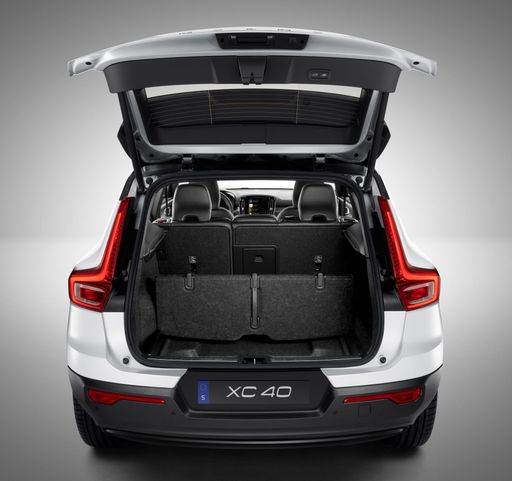
XC40
Engine and Performance:
Power, torque and acceleration are the classic benchmarks for car enthusiasts – and here, some clear differences start to show.
When it comes to engine power, the Volvo XC40 offers markedly more power – delivering 247 HP compared to 187 HP. That’s roughly 60 HP more horsepower.
There’s also a difference in torque: the Volvo XC40 delivers clearly more torque with 258 lb-ft compared to 178 lb-ft. That’s about 80 lb-ft more.
Tucson
Space and Everyday Use:
Beyond pure performance, interior space and usability matter most in daily life. This is where you see which car is more practical and versatile.
Both vehicles offer seating for 5 people.
In terms of curb weight, Hyundai Tucson is slightly lighter – 3,429 lbs compared to 3,861 lbs. The difference is around 432 lbs.
Who wins the race in the data check?
The Hyundai Tucson shows a few small advantages in the objective data comparison.
This result only shows which model scores more points on paper – not which of the two cars feels right for you.
from $28,700

Hyundai Tucson
Hyundai Tucson
Volvo XC40
Costs and Consumption
View detailed analysis
View detailed analysis
Engine and Performance
View detailed analysis
View detailed analysis
Dimensions and Body
View detailed analysis
View detailed analysis
General
View detailed analysis
View detailed analysis
Hyundai Tucson
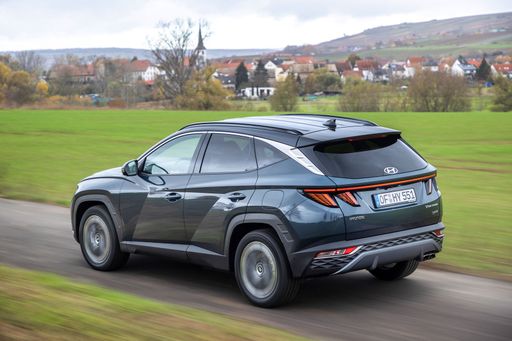
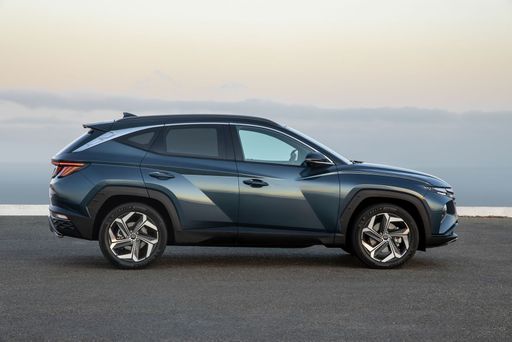
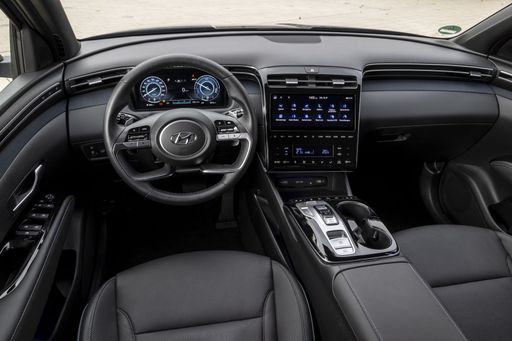
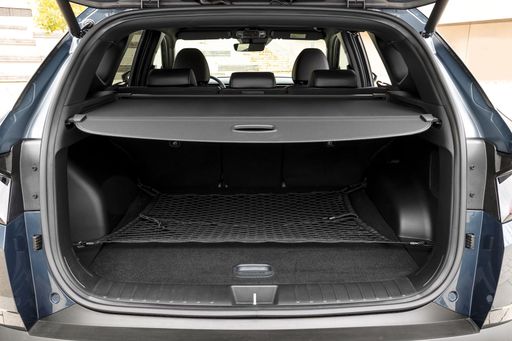
Hyundai Tucson mixes sharp, confident styling with a calm, composed ride, turning daily drudgery into something you might actually look forward to. Inside it’s roomy, tech-savvy, and sensibly priced, with family-friendly practicality and a dash of flair that says you didn’t buy the boring choice on purpose.
details
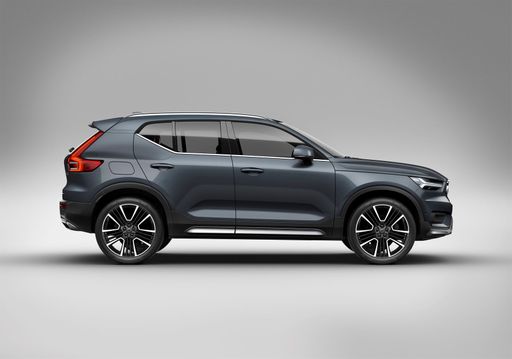
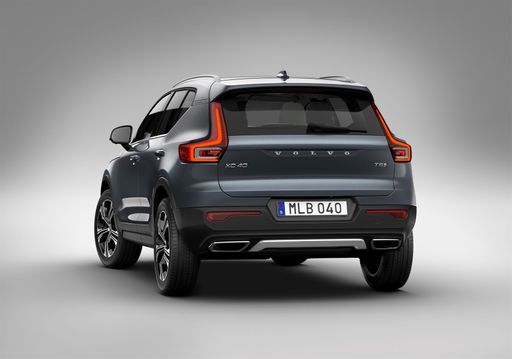
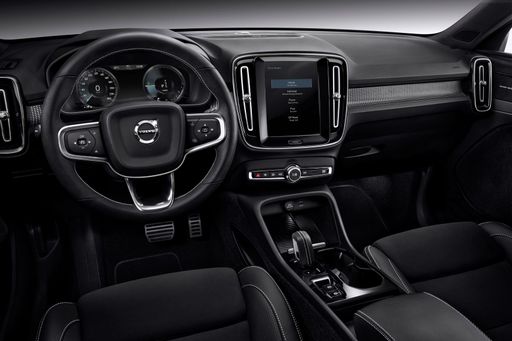
Volvo XC40
The Volvo XC40 wraps Scandinavian cool around a city-friendly SUV body, with a calm, cleverly organized cabin that makes everyday life feel a notch easier. It’s secure, smooth, and surprisingly playful when you want it to be—whether you go gas or all-electric—making it a smart, stylish choice that doesn’t try too hard.
details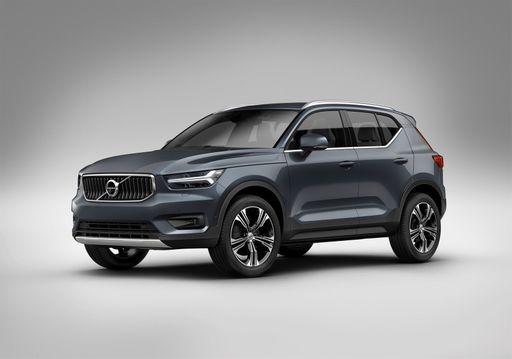
Hyundai Tucson
Volvo XC40
Costs and Consumption |
|
|---|---|
|
Price
28,700 - 40,100 $
|
Price
40,700 - 49,300 $
|
|
FuelEconomy City
24 - 25 mpg
|
FuelEconomy City
24 mpg
|
|
FuelEconomy Hwy
30 - 33 MPG
|
FuelEconomy Hwy
30 MPG
|
|
Electric Range
-
|
Electric Range
-
|
|
Battery Capacity
-
|
Battery Capacity
-
|
|
Fuel tank capacity
14.3 gal
|
Fuel tank capacity
14.2 gal
|
Dimensions and Body |
|
|---|---|
|
Body Type
SUV
|
Body Type
SUV
|
|
Seats
5
|
Seats
5
|
|
Doors
-
|
Doors
-
|
|
Curb weight
3,429 - 3,801 lbs
|
Curb weight
3,861 - 3,967 lbs
|
|
Trunk Volume
-
|
Trunk Volume
-
|
|
Length
182.7 in.
|
Length
174.8 in.
|
|
Width
73.4 in.
|
Width
75.2 in.
|
|
Height
65 - 66 in.
|
Height
65 in.
|
Engine and Performance |
|
|---|---|
|
Engine Type
Gasoline
|
Engine Type
|
|
Transmission
Automatic
|
Transmission
Automatic
|
|
Drive Type
Front Wheel, All Wheel
|
Drive Type
All Wheel
|
|
Power HP
187 HP
|
Power HP
247 HP
|
|
Torque
178 lb-ft
|
Torque
258 lb-ft
|
|
Number of Cylinders
-
|
Number of Cylinders
-
|
|
Engine Displacement
2.5 L
|
Engine Displacement
2 L
|
|
Gears
-
|
Gears
-
|
General |
|
|---|---|
|
Model Year
2025
|
Model Year
2025
|
|
Brand
Hyundai
|
Brand
Volvo
|
DriveDuel uses data analysis and artificial intelligence to evaluate vehicle data and create content. Content is regularly reviewed and improved.
Prices shown are manufacturer suggested retail prices (MSRP). Taxes, registration fees and dealer charges are not included.