
VS
Kia Niro vs Nissan LEAF - Differences and prices compared
Compare performance (139 HP vs 214 HP), trunk space and price (27,000 $ vs 28,100 $ ) at a glance. See which model fits your needs and budget better – Kia Niro or Nissan LEAF?
Niro
Costs and Efficiency:
Looking at overall running costs, both models reveal some interesting differences in everyday economy.
Kia Niro is only slightly cheaper – starting at 27,000 $ , while the Nissan LEAF costs 28,100 $ . That’s a price difference of around 1,150 $.
LEAF
Engine and Performance:
Power, torque and acceleration say a lot about how a car feels on the road. This is where you see which model delivers more driving dynamics.
When it comes to engine power, the Nissan LEAF offers visibly more power – delivering 214 HP compared to 139 HP. That’s roughly 75 HP more horsepower.
There’s also a difference in torque: the Nissan LEAF delivers markedly more torque with 250 lb-ft compared to 195 lb-ft. That’s about 55 lb-ft more.
Niro
Space and Everyday Use:
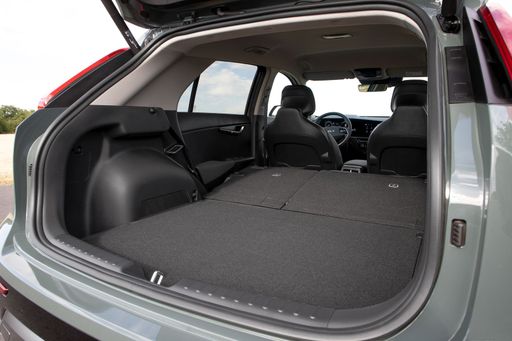
Cabin size, boot volume and payload all play a role in everyday practicality. Here, comfort and flexibility make the difference.
Both vehicles offer seating for 5 people.
In terms of curb weight, Kia Niro is moderately lighter – 3,071 lbs compared to 3,509 lbs. The difference is around 438 lbs.
Who wins the race in the data check?
The Nissan LEAF shows a few small advantages in the objective data comparison.
This result only shows which model scores more points on paper – not which of the two cars feels right for you.
from $28,100

Nissan LEAF
Kia Niro
Nissan LEAF
Costs and Consumption
View detailed analysis
View detailed analysis
Engine and Performance
View detailed analysis
View detailed analysis
Dimensions and Body
View detailed analysis
View detailed analysis
General
View detailed analysis
View detailed analysis
Kia Niro
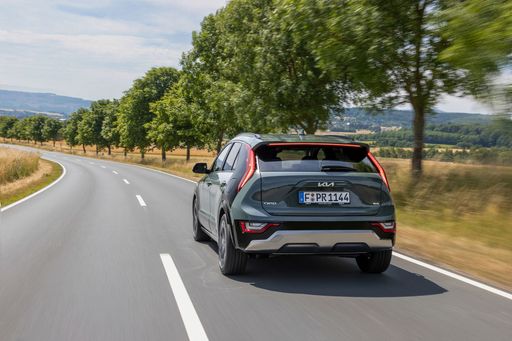
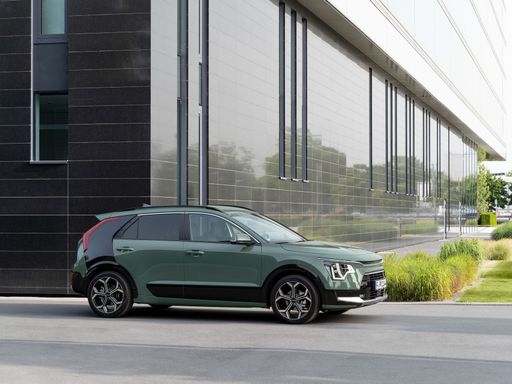
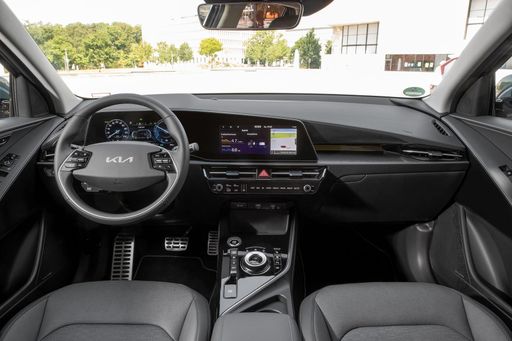
The Kia Niro stands out in the hybrid and electric vehicle segment with its stylish design and versatile functionality. With an emphasis on eco-friendly technology, it offers a smooth and quiet driving experience that complements its impressive efficiency. Inside, the Niro provides a spacious and comfortable cabin, featuring user-friendly technology and ample cargo space, making it an ideal choice for both urban commuting and long road trips.
details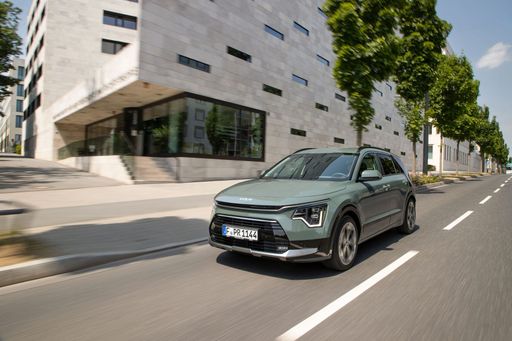
Nissan LEAF
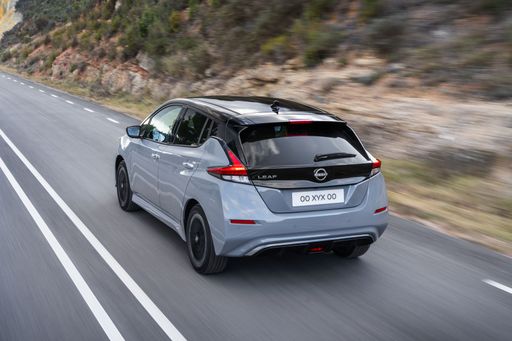
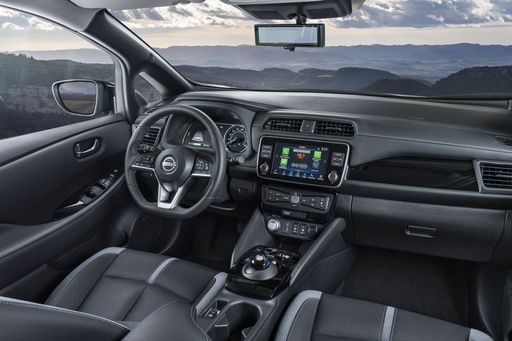
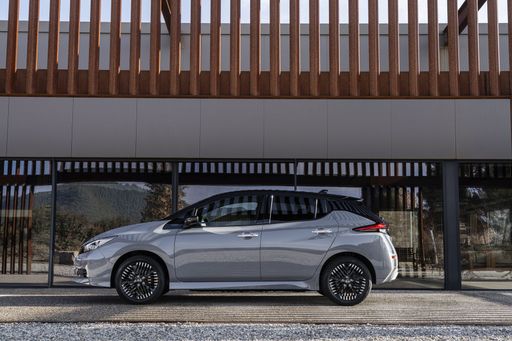
The Nissan LEAF stands out as a pioneering force in the electric vehicle market, offering a blend of sustainability and modern driving technology. With its smooth acceleration and spacious, quiet interior, the LEAF provides a comfortable and environmentally friendly driving experience. This model continues to appeal to environmentally conscious consumers looking for an efficient and reliable alternative to traditional gasoline-powered vehicles.
details
Kia Niro
Nissan LEAF
Costs and Consumption |
|
|---|---|
|
Price
27,000 - 35,400 $
|
Price
28,100 - 36,200 $
|
|
FuelEconomy City
53 mpg
|
FuelEconomy City
-
|
|
FuelEconomy Hwy
45 - 54 MPG
|
FuelEconomy Hwy
-
|
|
Electric Range
-
|
Electric Range
-
|
|
Battery Capacity
-
|
Battery Capacity
-
|
|
Fuel tank capacity
11.1 gal
|
Fuel tank capacity
-
|
Dimensions and Body |
|
|---|---|
|
Body Type
SUV
|
Body Type
Hatchback
|
|
Seats
5
|
Seats
5
|
|
Doors
-
|
Doors
-
|
|
Curb weight
3,071 lbs
|
Curb weight
3,509 - 3,901 lbs
|
|
Trunk Volume
-
|
Trunk Volume
-
|
|
Length
174 in.
|
Length
176.4 in.
|
|
Width
71.9 in.
|
Width
70.5 in.
|
|
Height
60 in.
|
Height
61 in.
|
Engine and Performance |
|
|---|---|
|
Engine Type
Hybrid
|
Engine Type
Electric
|
|
Transmission
Automatic
|
Transmission
Automatic
|
|
Drive Type
Front Wheel
|
Drive Type
Front Wheel
|
|
Power HP
139 HP
|
Power HP
147 - 214 HP
|
|
Torque
195 lb-ft
|
Torque
236 - 250 lb-ft
|
|
Number of Cylinders
-
|
Number of Cylinders
-
|
|
Engine Displacement
1.6 L
|
Engine Displacement
-
|
|
Gears
-
|
Gears
-
|
General |
|
|---|---|
|
Model Year
2,025
|
Model Year
2,025
|
|
Brand
Kia
|
Brand
Nissan
|
DriveDuel uses data analysis and artificial intelligence to evaluate vehicle data and create content. Content is regularly reviewed and improved.
Prices shown are manufacturer suggested retail prices (MSRP). Taxes, registration fees and dealer charges are not included.