
VS
Nissan Sentra vs Toyota Highlander - Differences and prices compared
Compare performance (149 HP vs 265 HP), trunk space and price (21,600 $ vs 39,300 $ ) at a glance. See which model fits your needs and budget better – Nissan Sentra or Toyota Highlander?
Sentra
Costs and Efficiency:
Price and efficiency are often the first things buyers look at. Here it becomes clear which model has the long-term edge – whether at the pump, the plug, or in purchase price.
Nissan Sentra is substantially cheaper – starting at 21,600 $ , while the Toyota Highlander costs 39,300 $ . That’s a price difference of around 17,680 $.
When it comes to city fuel economy, the Toyota Highlander performs a bit better – achieving 36 mpg, compared to 30 mpg for the Nissan Sentra. That’s a difference of about 6 mpg.
Highlander
Engine and Performance:
Under the bonnet, it becomes clear which model is tuned for sportiness and which one takes the lead when you hit the accelerator.
When it comes to engine power, the Toyota Highlander offers considerably more power – delivering 265 HP compared to 149 HP. That’s roughly 116 HP more horsepower.
There’s also a difference in torque: the Toyota Highlander delivers clearly more torque with 310 lb-ft compared to 146 lb-ft. That’s about 164 lb-ft more.
Space and Everyday Use:
Beyond pure performance, interior space and usability matter most in daily life. This is where you see which car is more practical and versatile.
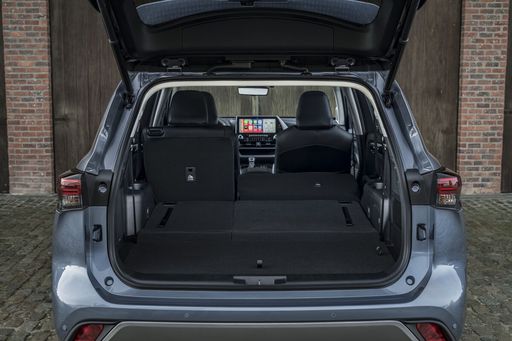
Seats: Toyota Highlander offers more seats – 8 vs 5.
In terms of curb weight, Nissan Sentra is clearly lighter – 3,036 lbs compared to 4,155 lbs. The difference is around 1,119 lbs.
Who wins the race in the data check?
The Toyota Highlander holds a decisive overall lead in the objective data comparison.
This result only shows which model scores more points on paper – not which of the two cars feels right for you.
from $39,300

Toyota Highlander
Nissan Sentra
Toyota Highlander
Costs and Consumption
View detailed analysis
View detailed analysis
Engine and Performance
View detailed analysis
View detailed analysis
Dimensions and Body
View detailed analysis
View detailed analysis
General
View detailed analysis
View detailed analysis
Nissan Sentra
The Nissan Sentra has long been a staple in the compact car segment, offering a blend of reliability and modern design. Known for its spacious interior and user-friendly technology, the Sentra provides a comfortable ride for daily commutes. It continues to attract those who value practicality without sacrificing style.
details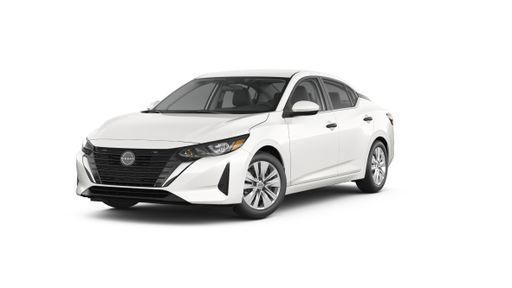
Toyota Highlander
The Toyota Highlander is a trusty family hauler that blends calm road manners with a thoughtfully finished cabin and a bonus row for occasional adults. It won’t set your hair on fire, but with a refined hybrid option, easy-to-use tech, and resale strength that makes rivals sweat, it’s the sensible choice that still feels a bit special.
details
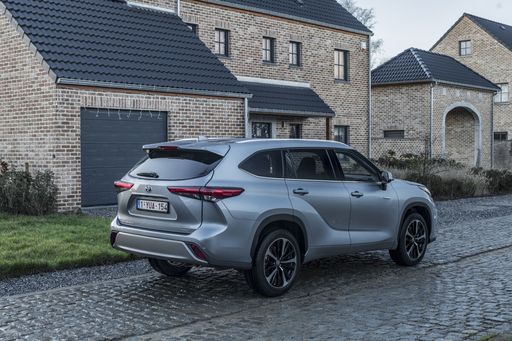
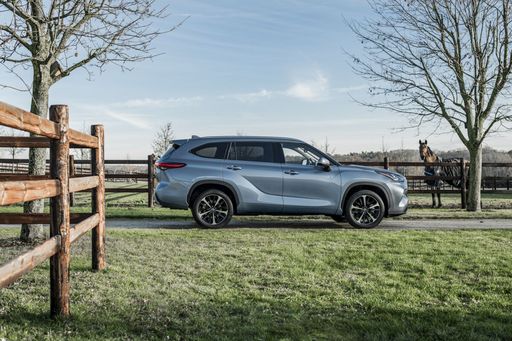
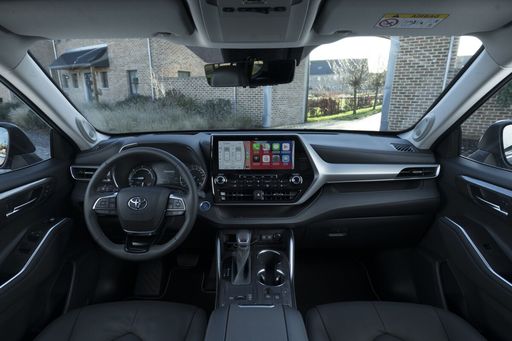
Nissan Sentra
Toyota Highlander
Costs and Consumption |
|
|---|---|
|
Price
21,600 - 24,600 $
|
Price
39,300 - 53,400 $
|
|
FuelEconomy City
30 mpg
|
FuelEconomy City
21 - 36 mpg
|
|
FuelEconomy Hwy
38 - 40 MPG
|
FuelEconomy Hwy
28 - 35 MPG
|
|
Electric Range
-
|
Electric Range
-
|
|
Battery Capacity
-
|
Battery Capacity
-
|
|
Fuel tank capacity
12.4 gal
|
Fuel tank capacity
17.1 - 17.9 gal
|
Dimensions and Body |
|
|---|---|
|
Body Type
Sedan
|
Body Type
SUV
|
|
Seats
5
|
Seats
7 - 8
|
|
Doors
-
|
Doors
-
|
|
Curb weight
3,036 - 3,084 lbs
|
Curb weight
4,155 - 4,595 lbs
|
|
Trunk Volume
14.3 cu. ft.
|
Trunk Volume
-
|
|
Length
182.9 in.
|
Length
194.9 - 197.4 in.
|
|
Width
71.5 in.
|
Width
76 in.
|
|
Height
56 - 57 in.
|
Height
68 in.
|
Engine and Performance |
|
|---|---|
|
Engine Type
Gasoline
|
Engine Type
Gasoline, Hybrid
|
|
Transmission
Automatic
|
Transmission
Automatic
|
|
Drive Type
Front Wheel
|
Drive Type
Front Wheel, All Wheel
|
|
Power HP
149 HP
|
Power HP
243 - 265 HP
|
|
Torque
146 lb-ft
|
Torque
175 - 310 lb-ft
|
|
Number of Cylinders
-
|
Number of Cylinders
-
|
|
Engine Displacement
2 L
|
Engine Displacement
2.4 - 2.5 L
|
|
Gears
-
|
Gears
-
|
General |
|
|---|---|
|
Model Year
2025
|
Model Year
2024
|
|
Brand
Nissan
|
Brand
Toyota
|
DriveDuel uses data analysis and artificial intelligence to evaluate vehicle data and create content. Content is regularly reviewed and improved.
Prices shown are manufacturer suggested retail prices (MSRP). Taxes, registration fees and dealer charges are not included.