
VS
Subaru Ascent vs Toyota Sequoia - Differences and prices compared
Compare performance (260 HP vs 437 HP), trunk space and price (38,900 $ vs 62,400 $ ) at a glance. See which model fits your needs and budget better – Subaru Ascent or Toyota Sequoia?
Ascent
Costs and Efficiency:
When it comes to price and running costs, the biggest differences usually appear. This is often where you see which car fits your budget better in the long run.
Subaru Ascent is clearly cheaper – starting at 38,900 $ , while the Toyota Sequoia costs 62,400 $ . That’s a price difference of around 23,515 $.
When it comes to city fuel economy, the Toyota Sequoia performs very slightly better – achieving 21 mpg, compared to 20 mpg for the Subaru Ascent. That’s a difference of about 1 mpg.
Sequoia
Engine and Performance:
Power, torque and acceleration are the classic benchmarks for car enthusiasts – and here, some clear differences start to show.
When it comes to engine power, the Toyota Sequoia offers substantially more power – delivering 437 HP compared to 260 HP. That’s roughly 177 HP more horsepower.
There’s also a difference in torque: the Toyota Sequoia delivers considerably more torque with 583 lb-ft compared to 277 lb-ft. That’s about 306 lb-ft more.
Space and Everyday Use:
Whether family car or daily driver – which one offers more room, flexibility and comfort?
Both vehicles offer seating for 8 people.
In terms of curb weight, Subaru Ascent is visibly lighter – 4,449 lbs compared to 5,620 lbs. The difference is around 1,171 lbs.
Who wins the race in the data check?
The Toyota Sequoia holds a solid overall lead in the objective data comparison.
This result only shows which model scores more points on paper – not which of the two cars feels right for you.
from $62,400
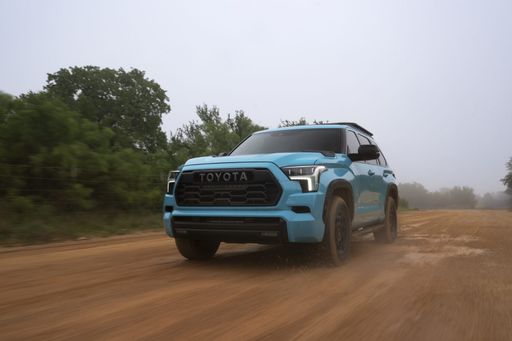
Toyota Sequoia
Subaru Ascent
Toyota Sequoia
Costs and Consumption
View detailed analysis
View detailed analysis
Engine and Performance
View detailed analysis
View detailed analysis
Dimensions and Body
View detailed analysis
View detailed analysis
General
View detailed analysis
View detailed analysis
Subaru Ascent
The Subaru Ascent stands out in the world of midsize SUVs, offering a perfect blend of comfort and capability. With seating for up to eight passengers and an array of standard safety features, it caters to families seeking adventure without compromising on reliability. Its robust design and all-wheel-drive functionality make it a dependable choice for those who love exploring both urban and off-road terrains.
details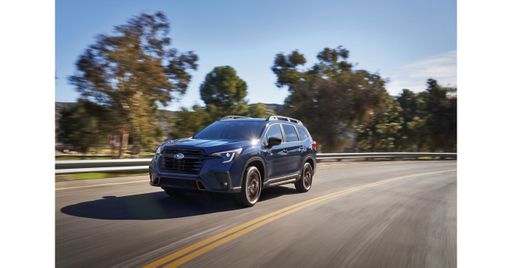
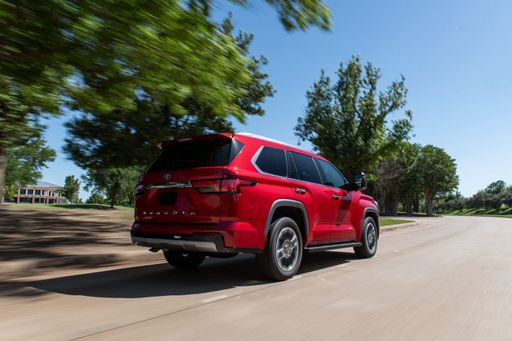
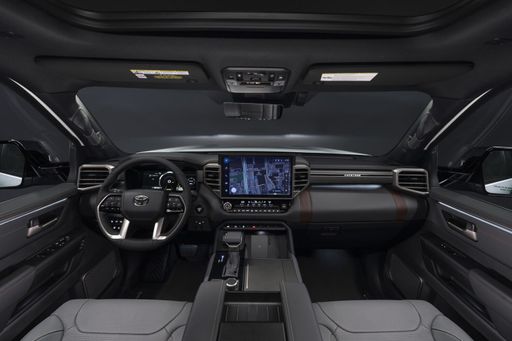
Toyota Sequoia
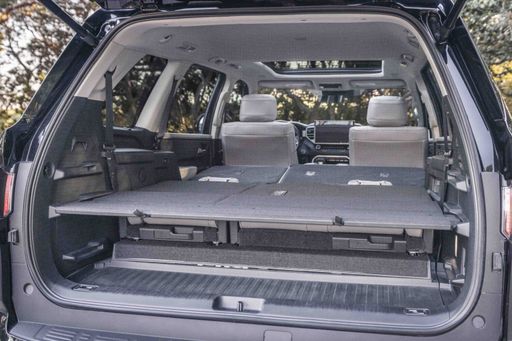
The Toyota Sequoia is a go-anywhere family hauler that blends truck-tough swagger with a surprisingly calm cabin and a hybrid punch that keeps fuel stops from becoming a pastime. It’s not the most cargo-flexible when all seats are in play and the ride can get a touch busy, but its durability and long-haul comfort make it a confident pick for big adventures and bigger daily duties.
details
Subaru Ascent
Toyota Sequoia
Costs and Consumption |
|
|---|---|
|
Price
38,900 - 50,000 $
|
Price
62,400 - 83,900 $
|
|
FuelEconomy City
19 - 20 mpg
|
FuelEconomy City
19 - 21 mpg
|
|
FuelEconomy Hwy
25 - 26 MPG
|
FuelEconomy Hwy
22 - 24 MPG
|
|
Electric Range
-
|
Electric Range
-
|
|
Battery Capacity
-
|
Battery Capacity
-
|
|
Fuel tank capacity
19.3 gal
|
Fuel tank capacity
22.5 gal
|
Dimensions and Body |
|
|---|---|
|
Body Type
SUV
|
Body Type
SUV
|
|
Seats
7 - 8
|
Seats
7 - 8
|
|
Doors
-
|
Doors
-
|
|
Curb weight
4,449 - 4,597 lbs
|
Curb weight
5,620 - 6,185 lbs
|
|
Trunk Volume
-
|
Trunk Volume
-
|
|
Length
196.8 in.
|
Length
208.1 in.
|
|
Width
76 in.
|
Width
79.6 in.
|
|
Height
71 in.
|
Height
74 - 77 in.
|
Engine and Performance |
|
|---|---|
|
Engine Type
Gasoline
|
Engine Type
Hybrid
|
|
Transmission
Automatic
|
Transmission
Automatic
|
|
Drive Type
All Wheel
|
Drive Type
Rear Wheel, All Wheel
|
|
Power HP
260 HP
|
Power HP
437 HP
|
|
Torque
277 lb-ft
|
Torque
583 lb-ft
|
|
Number of Cylinders
-
|
Number of Cylinders
-
|
|
Engine Displacement
2.4 L
|
Engine Displacement
3.4 L
|
|
Gears
-
|
Gears
-
|
General |
|
|---|---|
|
Model Year
2025
|
Model Year
2025
|
|
Brand
Subaru
|
Brand
Toyota
|
DriveDuel uses data analysis and artificial intelligence to evaluate vehicle data and create content. Content is regularly reviewed and improved.
Prices shown are manufacturer suggested retail prices (MSRP). Taxes, registration fees and dealer charges are not included.