Hyundai Kona SUV, starting at 24,600 $

The Hyundai Kona brings funky, urban-chic styling and a surprisingly grown-up ride to the small-SUV party, making school runs and coffee runs feel a bit more special. With a techy cabin, clever space use, and powertrains ranging from frugal to feisty—including an EV—it’s the kind of crossover that’s just as happy in a tight parking garage as it is on a weekend escape.

Reviews & community

All real reviews and experiences about the Hyundai Kona in one place.

To community

Technical data, trims & prices

All technical data, dimensions and equipment details of this model at a glance.

To technical data

Alternative car models

Discover similar models and possible alternatives to this vehicle.

To alternatives

from $24,600
Kona

Hyundai Kona

  • Engine Type : Gasoline
  • Transmission : Automatic
  • Drive Type : Front Wheel, All Wheel
  • Power HP : 147 - 190 HP

Sharper Small SUV Energy

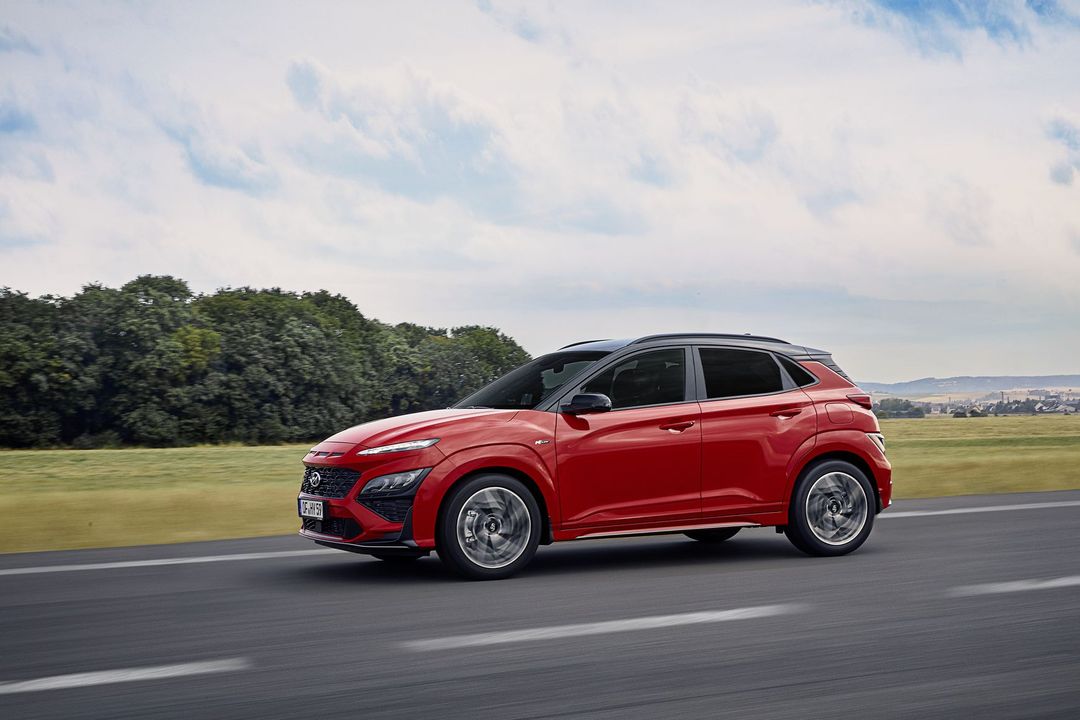
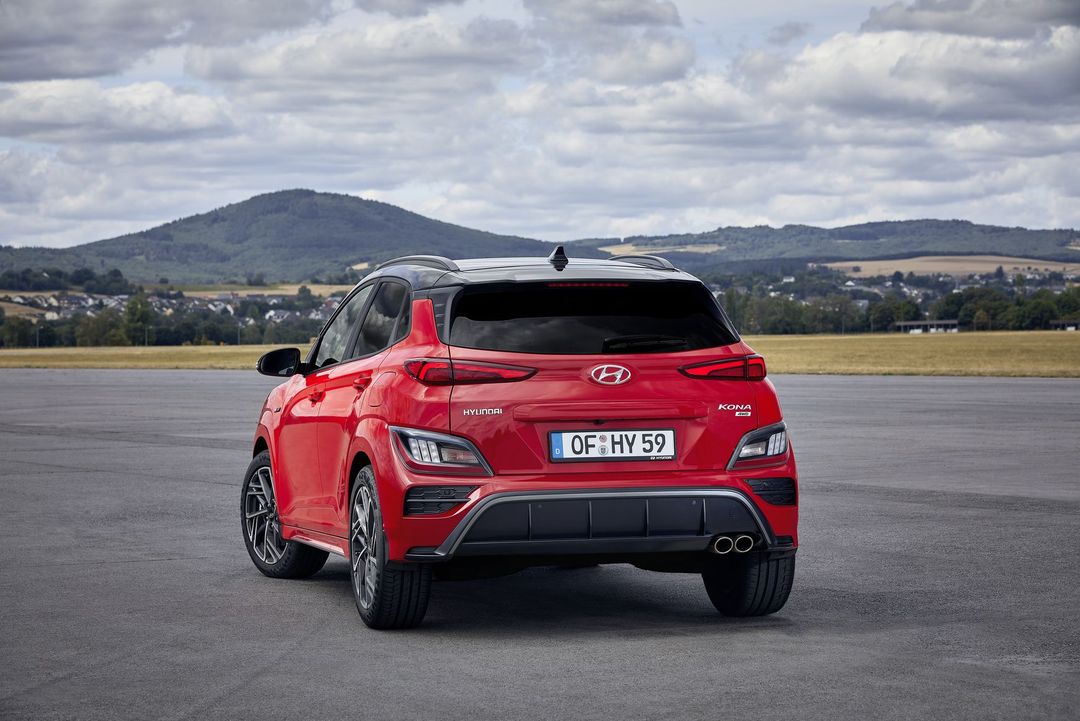
The Hyundai Kona doubles down on attitude, with a clean light bar up front, chunky cladding, and tidy proportions that look right at home downtown or in the suburbs. At about 172 inches long and 71.9 inches wide, it’s easy to park yet feels substantial enough for highway miles. Fit and finish impress for the class, with tight panel gaps and tasteful details that avoid the boy-racer trap. It reads modern without trying too hard, which helps it age gracefully.

Buttons Where They Matter

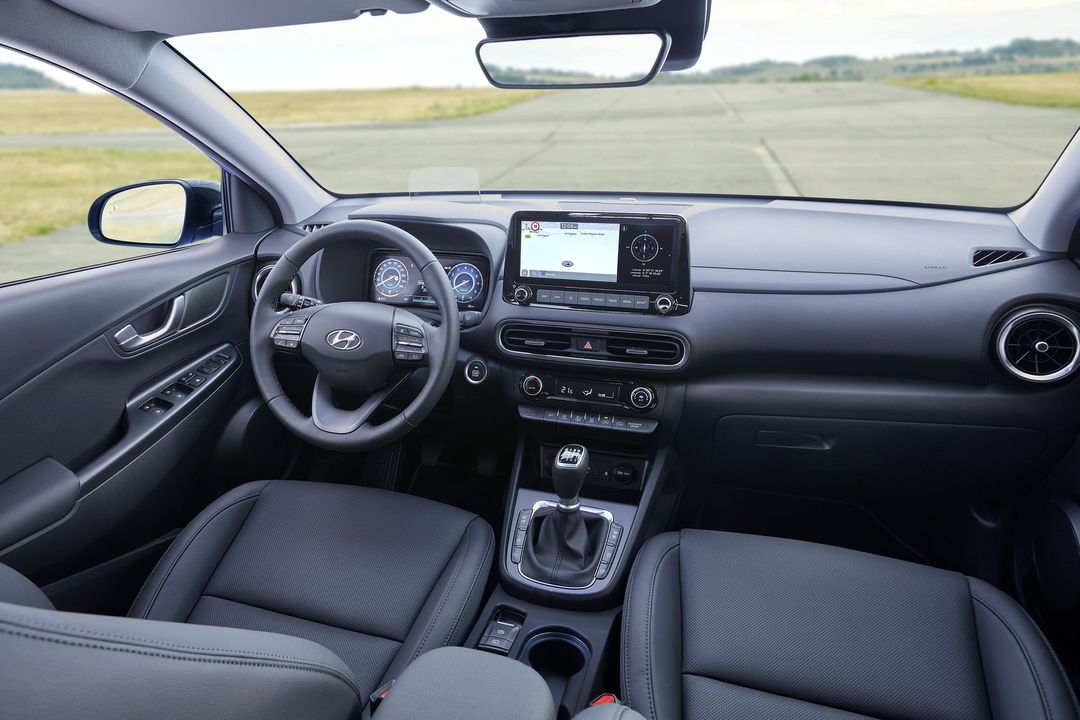
Inside, the Kona mixes big screens with sensible controls so everyday tasks don’t become touchscreen treasure hunts. Materials are smartly chosen, with softer touch points where elbows land and durable plastics in high-wear areas. The available 12.3-inch center display is crisp and quick, while physical climate knobs keep cold mornings simple. Storage nooks up front and a reconfigurable center console make coffee cups, phones, and toll transponders feel welcome.

Grown-Up Space for Five

Hyundai stretched the Kona just enough to unlock more rear legroom, so adults can sit behind adults without a negotiation. The cargo bay offers around 25–26 cu ft behind the second row and roughly 63 cu ft with seats folded, which means a week’s groceries or a flat-pack furniture run won’t require heroics. A low load floor and wide hatch opening keep bulky items manageable. The rear bench folds 60/40 and sits flat enough to satisfy the weekend warrior crowd.

Calm Commuter, Willing Weekender

On the road, the Kona favors composure over theatrics, with light but accurate steering and a suspension that smooths out the rough patches. It feels stable at freeway speeds, and road noise is well controlled for a small SUV. AWD versions add extra confidence in bad weather without making parking-lot maneuvers a chore. N Line models ride a touch firmer on bigger wheels, trading a hint of plushness for crisp responses.

Pick Your Punch

The lineup spans SE, SEL, and SEL Convenience with a 147 hp 2.0-liter and FWD or AWD, plus N Line, N Line S, and Limited with a 190 hp 1.6-liter turbo and available AWD—covering everything from budget-friendly to brisk. The 2.0 pairs with a CVT-style automatic and is smooth and efficient, suiting relaxed commuting; expect 0–60 mph in roughly the 9–10 second range. The turbo teams with a conventional 8‑speed automatic, bringing 195 lb‑ft of torque and a quicker 0–60 around the mid‑7s, ideal for on-ramps and passing. Curb weights land between about 3,000 and 3,500 lb, so performance feels honest, not overhyped.

Miles Per Gallon That Matter

With the 2.0 FWD, the Kona is rated up to about 29/35 mpg city/highway; add AWD and you’re near 28/33 mpg. Turbo models typically land around 26/32 mpg (FWD) and about 24/29 mpg (AWD), reflecting the extra punch. The 12.4–13.2 gallon tank translates to a realistic 350–420 miles between fills depending on engine and drive type. In daily use, that means most commuters can skip a gas station visit until the end of the workweek.

Screens, Smarts, and Safety Nets

Apple CarPlay and Android Auto are standard, with available wireless charging and premium audio for longer hauls. Hyundai’s driver aids impress in this class: forward collision avoidance, lane keeping, blind-spot warning, and rear cross-traffic alert are on the menu, with adaptive cruise and lane-centering offered on upper trims. The systems intervene smoothly and ease fatigue rather than nag the driver. Over-the-air update capability and multiple USB-C ports future-proof the cabin tech.

Who Is It For?

The Kona targets buyers who want city-friendly size with grown-up refinement and usable space. The 2.0-liter models suit value seekers and steady commuters, while the turbocharged N Line and Limited trims appeal to drivers who want more punch without jumping to a bigger SUV. Families with one or two kids will appreciate the flexible cargo hold and calmer ride. With FWD for sunbelt living and confident AWD for snow states, it’s an easy crossover to fit into real life.

Costs and Consumption

Price
24,600 - 33,600 $
FuelEconomy City
24 - 29 mpg
FuelEconomy Hwy
29 - 35 MPG
Electric Range
-
Battery Capacity
-
Fuel tank capacity
12.4 - 13.2 gal

Dimensions and Body

Body Type
SUV
Seats
5
Doors
-
Curb weight
3,005 - 3,505 lbs
Trunk Volume
-
Length
171.3 - 172.6 in.
Width
71.9 in.
Height
62 in.

Engine and Performance

Engine Type
Gasoline
Transmission
Automatic
Drive Type
Front Wheel, All Wheel
Power HP
147 - 190 HP
Torque
132 - 195 lb-ft
Number of Cylinders
-
Engine Displacement
1.6 - 2 L
Gears
-

General

Model Year
2025
Brand
Hyundai
How much does the Hyundai Kona cost?

Base pricing begins at 24,600 $.

DriveDuel uses data analysis and artificial intelligence to evaluate vehicle data and create content. Content is regularly reviewed and improved. Prices shown are manufacturer suggested retail prices (MSRP). Taxes, registration fees and dealer charges are not included.