
VS
BMW 3 Series vs Lincoln Aviator - Differences and prices compared
Compare performance (386 HP vs 400 HP), trunk space and price (45,600 $ vs 59,000 $ ) at a glance. See which model fits your needs and budget better – BMW 3 Series or Lincoln Aviator?
3 Series
Costs and Efficiency:
When it comes to price and running costs, the biggest differences usually appear. This is often where you see which car fits your budget better in the long run.
BMW 3 Series is noticeably cheaper – starting at 45,600 $ , while the Lincoln Aviator costs 59,000 $ . That’s a price difference of around 13,395 $.
When it comes to city fuel economy, the BMW 3 Series performs markedly better – achieving 28 mpg, compared to 18 mpg for the Lincoln Aviator. That’s a difference of about 10 mpg.
Engine and Performance:
Under the bonnet, it becomes clear which model is tuned for sportiness and which one takes the lead when you hit the accelerator.
When it comes to engine power, the Lincoln Aviator offers marginally more power – delivering 400 HP compared to 386 HP. That’s roughly 14 HP more horsepower.
There’s also a difference in torque: the Lincoln Aviator delivers marginally more torque with 415 lb-ft compared to 398 lb-ft. That’s about 17 lb-ft more.
Space and Everyday Use:
Cabin size, boot volume and payload all play a role in everyday practicality. Here, comfort and flexibility make the difference.
Seats: Lincoln Aviator offers more seats – 7 vs 5.
In terms of curb weight, BMW 3 Series is noticeably lighter – 3,644 lbs compared to 4,852 lbs. The difference is around 1,208 lbs.
Who wins the race in the data check?
The BMW 3 Series is far ahead overall in the objective data comparison.
This result only shows which model scores more points on paper – not which of the two cars feels right for you.
from $45,600
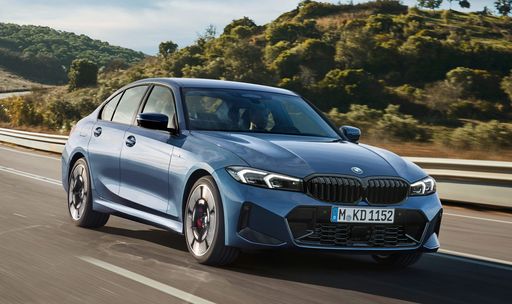
BMW 3 Series
BMW 3 Series
Lincoln Aviator
Costs and Consumption
View detailed analysis
View detailed analysis
Engine and Performance
View detailed analysis
View detailed analysis
Dimensions and Body
View detailed analysis
View detailed analysis
General
View detailed analysis
View detailed analysis
BMW 3 Series
The BMW 3 Series continues to set the standard in the compact executive class with its blend of dynamic performance, sophisticated design, and cutting-edge technology. Whether navigating city streets or cruising on the highway, this model offers a comfortable ride without compromising on the driving excitement BMW is known for. Inside, the high-quality materials and intuitive infotainment system make every journey as enjoyable as it is efficient.
details
Lincoln Aviator
The Lincoln Aviator stands out with its luxurious design and sophisticated presence, offering a serene and comfortable driving experience. This SUV combines premium materials with advanced technology, ensuring that every journey is both stylish and enjoyable. Its smooth ride and spacious cabin make it an ideal choice for families seeking elegance and practicality in their vehicle.
details
BMW 3 Series
Lincoln Aviator
Costs and Consumption |
|
|---|---|
|
Price
45,600 - 62,200 $
|
Price
59,000 - 87,400 $
|
|
FuelEconomy City
26 - 28 mpg
|
FuelEconomy City
17 - 18 mpg
|
|
FuelEconomy Hwy
33 - 35 MPG
|
FuelEconomy Hwy
25 MPG
|
|
Electric Range
-
|
Electric Range
-
|
|
Battery Capacity
-
|
Battery Capacity
-
|
|
Fuel tank capacity
10.6 - 15.6 gal
|
Fuel tank capacity
20.2 gal
|
Dimensions and Body |
|
|---|---|
|
Body Type
Sedan
|
Body Type
RWD, SUV
|
|
Seats
5
|
Seats
6 - 7
|
|
Doors
-
|
Doors
-
|
|
Curb weight
3,644 - 4,138 lbs
|
Curb weight
4,852 - 4,970 lbs
|
|
Trunk Volume
13.2 - 16.9 cu. ft.
|
Trunk Volume
-
|
|
Length
185.7 - 185.9 in.
|
Length
199.7 in.
|
|
Width
71.9 in.
|
Width
82.3 in.
|
|
Height
56 - 57 in.
|
Height
69 in.
|
Engine and Performance |
|
|---|---|
|
Engine Type
, Plug-In Hybrid
|
Engine Type
Gasoline
|
|
Transmission
Automatic
|
Transmission
Automatic
|
|
Drive Type
Rear Wheel, All Wheel
|
Drive Type
Rear Wheel, All Wheel
|
|
Power HP
255 - 386 HP
|
Power HP
400 HP
|
|
Torque
295 - 398 lb-ft
|
Torque
415 lb-ft
|
|
Number of Cylinders
-
|
Number of Cylinders
-
|
|
Engine Displacement
2 - 3 L
|
Engine Displacement
3 L
|
|
Gears
-
|
Gears
-
|
General |
|
|---|---|
|
Model Year
2,024 - 2,025
|
Model Year
2,025
|
|
Brand
BMW
|
Brand
Lincoln
|
DriveDuel uses data analysis and artificial intelligence to evaluate vehicle data and create content. Content is regularly reviewed and improved.
Prices shown are manufacturer suggested retail prices (MSRP). Taxes, registration fees and dealer charges are not included.