VS

BMW X7 vs Toyota 4Runner - Differences and prices compared

Compare performance (631 HP vs 270 HP), trunk space and price (84,300 $ vs 40,700 $ ) at a glance. See which model fits your needs and budget better – BMW X7 or Toyota 4Runner?

BMW X7 vs Toyota 4Runner: Key differences

BMW X7

  • considerably more power
  • moderately more efficient

Toyota 4Runner

  • considerably cheaper
  • markedly lighter
X7

Country Club vs. Campsite

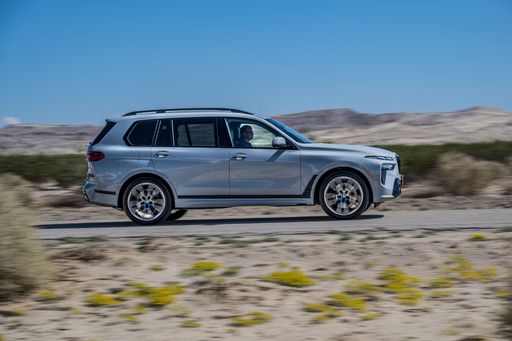
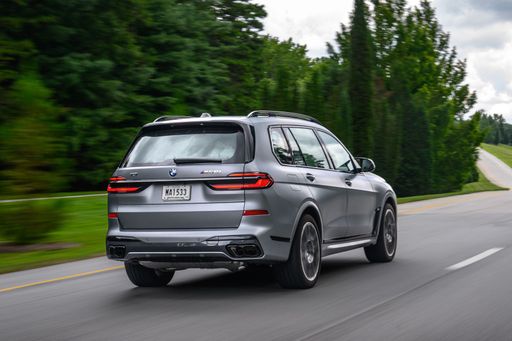
Two big personalities, two very different promises: the BMW X7 arrives dressed for the valet stand, while the Toyota 4Runner shows up with trail dust in its smile. One leans into plush luxury and slick tech; the other wears its rugged honesty on its sleeve. Together, they set up a duel between indulgent comfort and go-anywhere confidence.

4Runner

Penthouse Suite or Hiking Boots?

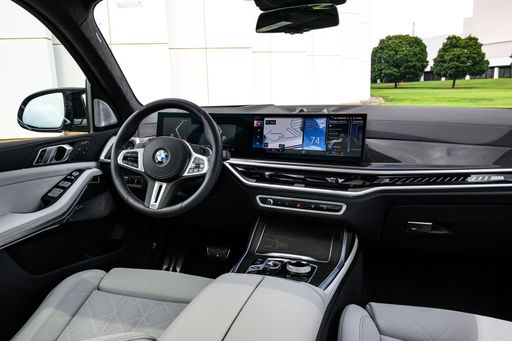
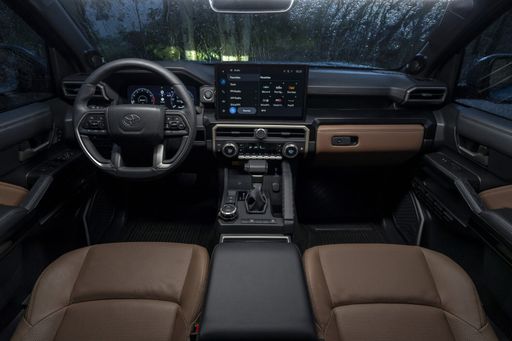
The X7 feels like a rolling lounge, with a sculpted cabin and a polished, almost theatrical sense of occasion. The 4Runner counters with blocky charm and controls that favor gloves and muscle memory over screens and swipes. Where the BMW whispers sophistication, the Toyota projects purpose—each confident, each unmistakably itself.

X7

School Runs, Potholes, and Weekends

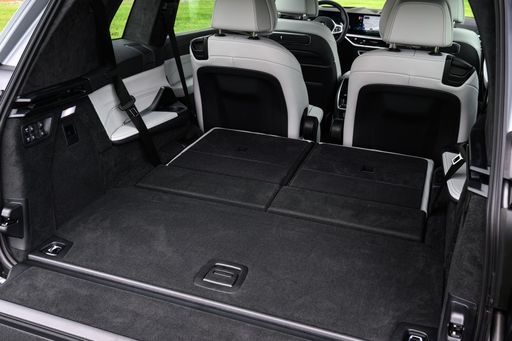
In daily life, the BMW moves with a calm, cushioned stride that turns long commutes into quiet time. The Toyota takes bumps like a seasoned backpacker, sturdy and unbothered, and its straightforward layout keeps distractions low when the road gets messy. Pack it for kids, pets, or camping gear—both oblige—but the X7 pampers passengers while the 4Runner seems happiest hauling adventure.

4Runner

What Your Keys Say About You

Choose the X7 and you’re signaling a taste for modern luxury and the kind of serenity that takes the edge off busy weeks. Opt for the 4Runner and you’re broadcasting durability, simplicity, and a readiness for the road less paved. One appeals to the sense of arrival, the other to the satisfaction of getting there no matter what.

X7

If what matters to you is hush, polish, and a modern edge

The BMW X7 suits drivers who want a calming ride, premium materials, and tech that feels a step ahead without feeling fussy. It’s the pick for long-distance serenity and effortless wafting through traffic after a long day. If you value a premium impression that doubles as a stress reducer, the X7’s your kind of sanctuary.

4Runner

If what matters to you is toughness, simplicity, and peace of mind

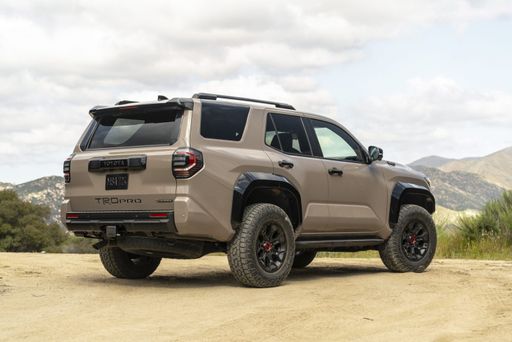
The Toyota 4Runner speaks to drivers who want an honest, durable machine with controls you can use by feel and a cabin that doesn’t flinch at muddy boots. It fits weekend warriors, gear haulers, and anyone who prefers proven solutions over constant updates. If predictability and a bring-it-on attitude help you sleep at night, the 4Runner makes a strong case—now let’s see how the details stack up next.

Here’s where it gets real: The technical differences in detail

X7

Costs and Efficiency:

Price and efficiency are often the first things buyers look at. Here it becomes clear which model has the long-term edge – whether at the pump, the plug, or in purchase price.

Toyota 4Runner is considerably cheaper – starting at 40,700 $ , while the BMW X7 costs 84,300 $ . That’s a price difference of around 43,595 $.

When it comes to city fuel economy, the BMW X7 performs moderately better – achieving 20 mpg, compared to 16 mpg for the Toyota 4Runner. That’s a difference of about 4 mpg.

4Runner

Engine and Performance:

Power, torque and acceleration say a lot about how a car feels on the road. This is where you see which model delivers more driving dynamics.

When it comes to engine power, the BMW X7 offers considerably more power – delivering 631 HP compared to 270 HP. That’s roughly 361 HP more horsepower.

There’s also a difference in torque: the BMW X7 delivers substantially more torque with 590 lb-ft compared to 278 lb-ft. That’s about 312 lb-ft more.

X7

Space and Everyday Use:

Beyond pure performance, interior space and usability matter most in daily life. This is where you see which car is more practical and versatile.

Seats: BMW X7 offers more seats – 7 vs 5.

In terms of curb weight, Toyota 4Runner is markedly lighter – 4,400 lbs compared to 5,417 lbs. The difference is around 1,017 lbs.

Who wins the race in the data check?

The BMW X7 leads convincingly in the objective data comparison.
This result only shows which model scores more points on paper – not which of the two cars feels right for you.

from $84,300
X7

BMW X7

  • Engine Type :
  • Transmission : Automatic
  • Drive Type : All Wheel
  • Power HP : 375 - 631 HP
BMW X7
Toyota 4Runner

Costs and Consumption

View detailed analysis

Engine and Performance

View detailed analysis

Dimensions and Body

View detailed analysis

General

View detailed analysis

BMW X7

The BMW X7 is a rolling penthouse with a sports streak, serving up plush comfort, quiet confidence, and just enough attitude to make the school run feel like a red-carpet arrival. It blends creamy ride quality with crisp handling and a tech-laden cabin, all wrapped in a bold face that politely announces you’ve arrived—long before you actually do.

details

Toyota 4Runner

The Toyota 4Runner is an old-school SUV that still loves dirt trails more than valet lines, with a tough-as-nails vibe and a cabin built for adventures with dogs, gear, and muddy boots. It’s not the last word in on-road polish, but if you want something that feels honest, dependable, and ready to shrug off the daily grind, this rugged icon is your faithful companion.

details
BMW X7
Toyota 4Runner

Costs and Consumption

Price
84,300 - 152,400 $
Price
40,700 - 55,200 $
FuelEconomy City
16 - 20 mpg
FuelEconomy City
16 mpg
FuelEconomy Hwy
20 - 24 MPG
FuelEconomy Hwy
19 MPG
Electric Range
-
Electric Range
-
Battery Capacity
-
Battery Capacity
-
Fuel tank capacity
21.9 gal
Fuel tank capacity
23 gal

Dimensions and Body

Body Type
SUV
Body Type
SUV
Seats
7
Seats
5
Doors
-
Doors
-
Curb weight
5,417 - 5,986 lbs
Curb weight
4,400 - 4,805 lbs
Trunk Volume
-
Trunk Volume
-
Length
203.6 - 203.9 in.
Length
190.2 - 191.3 in.
Width
78.7 in.
Width
75.8 in.
Height
70 - 72 in.
Height
71 - 72 in.

Engine and Performance

Engine Type
Engine Type
Gasoline
Transmission
Automatic
Transmission
Automatic
Drive Type
All Wheel
Drive Type
Rear Wheel, All Wheel
Power HP
375 - 631 HP
Power HP
270 HP
Torque
398 - 590 lb-ft
Torque
278 lb-ft
Number of Cylinders
-
Number of Cylinders
-
Engine Displacement
3 - 4.4 L
Engine Displacement
4 L
Gears
-
Gears
-

General

Model Year
2,025
Model Year
2,024
Brand
BMW
Brand
Toyota
DriveDuel uses data analysis and artificial intelligence to evaluate vehicle data and create content. Content is regularly reviewed and improved. Prices shown are manufacturer suggested retail prices (MSRP). Taxes, registration fees and dealer charges are not included.