
VS
Ford Bronco Sport vs Toyota 4Runner - Differences and prices compared
Compare performance (250 HP vs 270 HP), trunk space and price (30,000 $ vs 40,700 $ ) at a glance. See which model fits your needs and budget better – Ford Bronco Sport or Toyota 4Runner?
Bronco Sport
Costs and Efficiency:
When it comes to price and running costs, the biggest differences usually appear. This is often where you see which car fits your budget better in the long run.
Ford Bronco Sport is clearly cheaper – starting at 30,000 $ , while the Toyota 4Runner costs 40,700 $ . That’s a price difference of around 10,710 $.
When it comes to city fuel economy, the Ford Bronco Sport performs noticeably better – achieving 25 mpg, compared to 16 mpg for the Toyota 4Runner. That’s a difference of about 9 mpg.
4Runner
Engine and Performance:
Power, torque and acceleration say a lot about how a car feels on the road. This is where you see which model delivers more driving dynamics.
When it comes to engine power, the Toyota 4Runner offers barely more power – delivering 270 HP compared to 250 HP. That’s roughly 20 HP more horsepower.
There’s also a difference in torque: the Toyota 4Runner delivers marginally more torque with 278 lb-ft compared to 277 lb-ft. That’s about 1 lb-ft more.
Bronco Sport
Space and Everyday Use:
Whether family car or daily driver – which one offers more room, flexibility and comfort?
Both vehicles offer seating for 5 people.
In terms of curb weight, Ford Bronco Sport is clearly lighter – 3,467 lbs compared to 4,400 lbs. The difference is around 933 lbs.
Who wins the race in the data check?
The Ford Bronco Sport comes out clearly ahead in the objective data comparison.
This result only shows which model scores more points on paper – not which of the two cars feels right for you.
from $30,000

Ford Bronco Sport
Ford Bronco Sport
Toyota 4Runner
Costs and Consumption
View detailed analysis
View detailed analysis
Engine and Performance
View detailed analysis
View detailed analysis
Dimensions and Body
View detailed analysis
View detailed analysis
General
View detailed analysis
View detailed analysis
Ford Bronco Sport
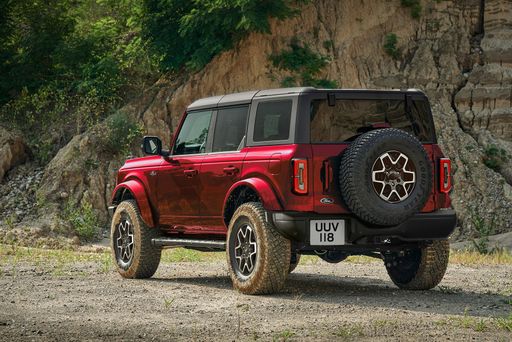
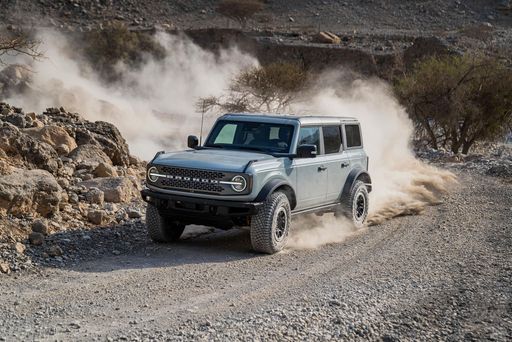
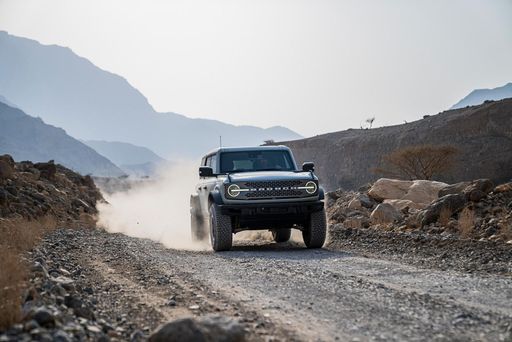
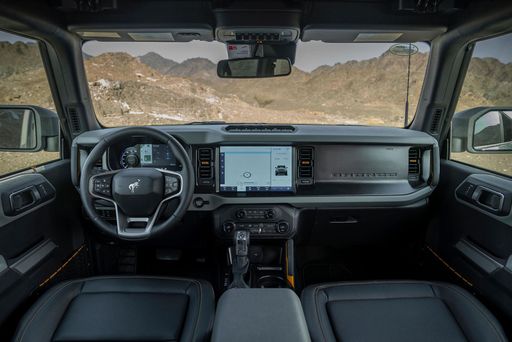
The Ford Bronco Sport expertly combines ruggedness with everyday practicality, making it a versatile choice for adventure enthusiasts and city drivers alike. With its bold design and off-road capabilities, it channels the spirit of the larger Bronco while offering a more compact and accessible package. Inside, the Bronco Sport provides a comfortable and functional cabin space, ensuring convenience on both your daily commutes and weekend escapades.
details
Toyota 4Runner
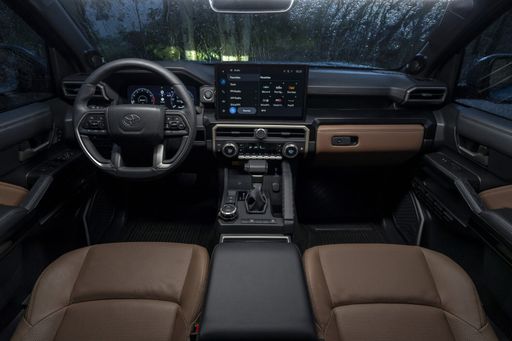
The Toyota 4Runner is an old-school SUV that still loves dirt trails more than valet lines, with a tough-as-nails vibe and a cabin built for adventures with dogs, gear, and muddy boots. It’s not the last word in on-road polish, but if you want something that feels honest, dependable, and ready to shrug off the daily grind, this rugged icon is your faithful companion.
details
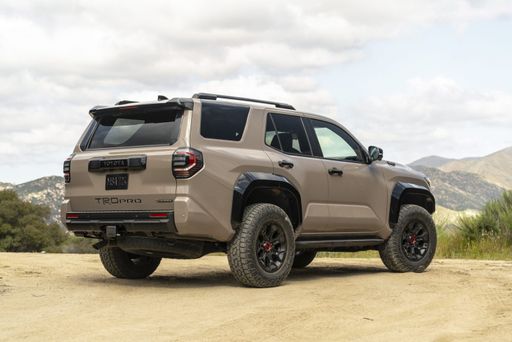
Ford Bronco Sport
Toyota 4Runner
Costs and Consumption |
|
|---|---|
|
Price
30,000 - 40,100 $
|
Price
40,700 - 55,200 $
|
|
FuelEconomy City
21 - 25 mpg
|
FuelEconomy City
16 mpg
|
|
FuelEconomy Hwy
26 - 29 MPG
|
FuelEconomy Hwy
19 MPG
|
|
Electric Range
-
|
Electric Range
-
|
|
Battery Capacity
-
|
Battery Capacity
-
|
|
Fuel tank capacity
16 gal
|
Fuel tank capacity
23 gal
|
Dimensions and Body |
|
|---|---|
|
Body Type
SUV
|
Body Type
SUV
|
|
Seats
5
|
Seats
5
|
|
Doors
-
|
Doors
-
|
|
Curb weight
3,467 - 3,707 lbs
|
Curb weight
4,400 - 4,805 lbs
|
|
Trunk Volume
-
|
Trunk Volume
-
|
|
Length
172.7 in.
|
Length
190.2 - 191.3 in.
|
|
Width
74.3 in.
|
Width
75.8 in.
|
|
Height
70 - 71 in.
|
Height
71 - 72 in.
|
Engine and Performance |
|
|---|---|
|
Engine Type
Gasoline
|
Engine Type
Gasoline
|
|
Transmission
Automatic
|
Transmission
Automatic
|
|
Drive Type
All Wheel
|
Drive Type
Rear Wheel, All Wheel
|
|
Power HP
181 - 250 HP
|
Power HP
270 HP
|
|
Torque
190 - 277 lb-ft
|
Torque
278 lb-ft
|
|
Number of Cylinders
-
|
Number of Cylinders
-
|
|
Engine Displacement
1.5 - 2 L
|
Engine Displacement
4 L
|
|
Gears
-
|
Gears
-
|
General |
|
|---|---|
|
Model Year
2,025
|
Model Year
2,024
|
|
Brand
Ford
|
Brand
Toyota
|
DriveDuel uses data analysis and artificial intelligence to evaluate vehicle data and create content. Content is regularly reviewed and improved.
Prices shown are manufacturer suggested retail prices (MSRP). Taxes, registration fees and dealer charges are not included.