
VS
Hyundai Tucson Hybrid vs Jeep Compass - Differences and prices compared
Compare performance (231 HP vs 200 HP), trunk space and price (33,500 $ vs 26,900 $ ) at a glance. See which model fits your needs and budget better – Hyundai Tucson Hybrid or Jeep Compass?
Tucson Hybrid
Costs and Efficiency:
Price and efficiency are key factors when choosing a car – and this is often where the real differences emerge.
Jeep Compass is visibly cheaper – starting at 26,900 $ , while the Hyundai Tucson Hybrid costs 33,500 $ . That’s a price difference of around 6,565 $.
When it comes to city fuel economy, the Hyundai Tucson Hybrid performs noticeably better – achieving 38 mpg, compared to 24 mpg for the Jeep Compass. That’s a difference of about 14 mpg.
Compass
Engine and Performance:
Under the bonnet, it becomes clear which model is tuned for sportiness and which one takes the lead when you hit the accelerator.
When it comes to engine power, the Hyundai Tucson Hybrid offers slightly more power – delivering 231 HP compared to 200 HP. That’s roughly 31 HP more horsepower.
There’s also a difference in torque: the Hyundai Tucson Hybrid delivers somewhat more torque with 258 lb-ft compared to 221 lb-ft. That’s about 37 lb-ft more.
Tucson Hybrid
Space and Everyday Use:
Whether family car or daily driver – which one offers more room, flexibility and comfort?
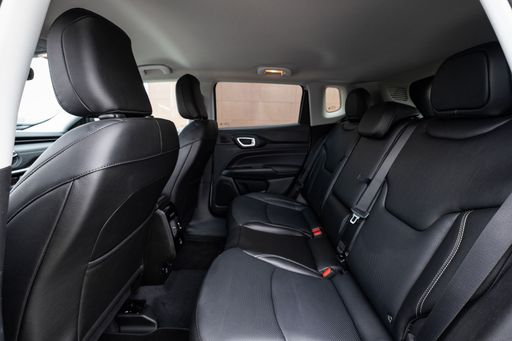
Both vehicles offer seating for 5 people.
In terms of curb weight, Jeep Compass is barely lighter – 3,620 lbs compared to 3,770 lbs. The difference is around 150 lbs.
Who wins the race in the data check?
The Hyundai Tucson Hybrid shows a few small advantages in the objective data comparison.
This result only shows which model scores more points on paper – not which of the two cars feels right for you.
from $33,500

Hyundai Tucson Hybrid
Hyundai Tucson Hybrid
Jeep Compass
Costs and Consumption
View detailed analysis
View detailed analysis
Engine and Performance
View detailed analysis
View detailed analysis
Dimensions and Body
View detailed analysis
View detailed analysis
General
View detailed analysis
View detailed analysis
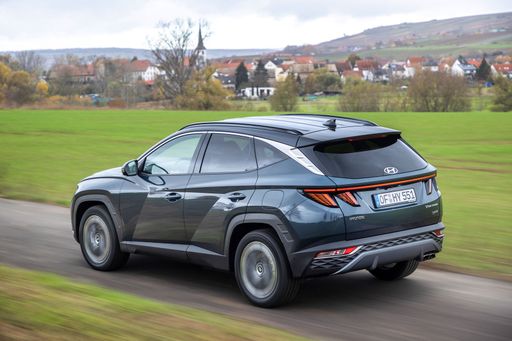
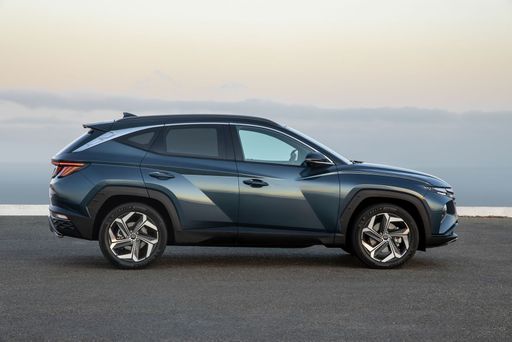
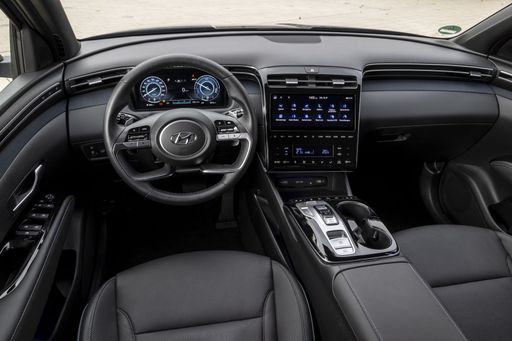
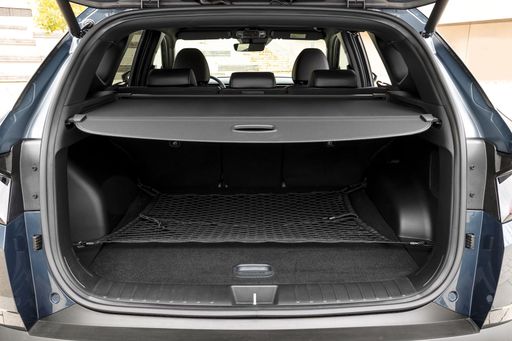
Hyundai Tucson Hybrid
The Tucson Hybrid wraps bold looks and a calm, confident ride in a package that sips fuel and shrugs off daily grind with easygoing punch. Inside, it’s spacious, well-kitted, and user-friendly—proof that you don’t need to spend luxury money to feel a little fancy on the school run.
details
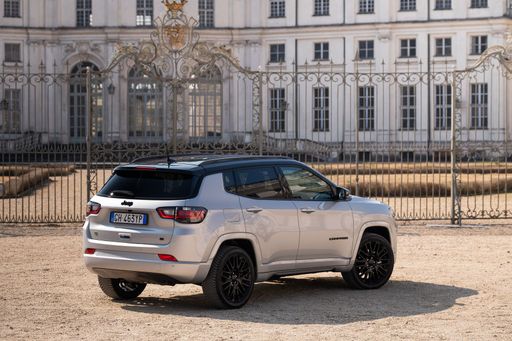
Jeep Compass
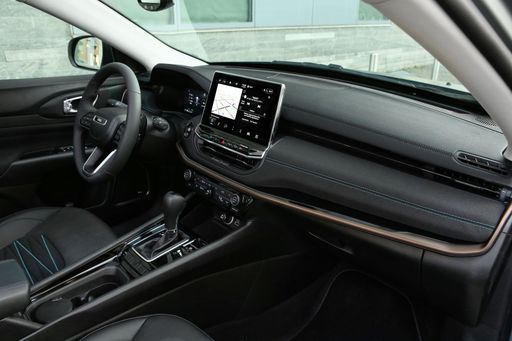
The Jeep Compass is a compact SUV that boasts a blend of rugged charm and modern style, appealing to adventure enthusiasts and city dwellers alike. Inside, it offers a comfortable and well-appointed cabin with intuitive technology features, making any journey enjoyable. Its off-road capabilities are notable, allowing drivers to confidently explore various terrains with ease and sophistication.
details
Hyundai Tucson Hybrid
Jeep Compass
Costs and Consumption |
|
|---|---|
|
Price
33,500 - 41,300 $
|
Price
26,900 - 32,400 $
|
|
FuelEconomy City
37 - 38 mpg
|
FuelEconomy City
24 mpg
|
|
FuelEconomy Hwy
36 - 38 MPG
|
FuelEconomy Hwy
32 MPG
|
|
Electric Range
-
|
Electric Range
-
|
|
Battery Capacity
-
|
Battery Capacity
-
|
|
Fuel tank capacity
13.7 gal
|
Fuel tank capacity
13.5 gal
|
Dimensions and Body |
|
|---|---|
|
Body Type
SUV
|
Body Type
SUV
|
|
Seats
5
|
Seats
5
|
|
Doors
-
|
Doors
-
|
|
Curb weight
3,770 - 3,919 lbs
|
Curb weight
3,620 - 3,840 lbs
|
|
Trunk Volume
-
|
Trunk Volume
-
|
|
Length
182.7 - 184.1 in.
|
Length
173.4 in.
|
|
Width
73.4 in.
|
Width
73.8 in.
|
|
Height
66 in.
|
Height
64 in.
|
Engine and Performance |
|
|---|---|
|
Engine Type
Hybrid
|
Engine Type
Gasoline
|
|
Transmission
Automatic
|
Transmission
Automatic
|
|
Drive Type
All Wheel
|
Drive Type
All Wheel
|
|
Power HP
231 HP
|
Power HP
200 HP
|
|
Torque
258 lb-ft
|
Torque
221 lb-ft
|
|
Number of Cylinders
-
|
Number of Cylinders
-
|
|
Engine Displacement
1.6 L
|
Engine Displacement
2 L
|
|
Gears
-
|
Gears
-
|
General |
|
|---|---|
|
Model Year
2,025
|
Model Year
2,025
|
|
Brand
Hyundai
|
Brand
Jeep
|
DriveDuel uses data analysis and artificial intelligence to evaluate vehicle data and create content. Content is regularly reviewed and improved.
Prices shown are manufacturer suggested retail prices (MSRP). Taxes, registration fees and dealer charges are not included.