
VS
Toyota Tundra 4WD vs Hyundai IONIQ 5 - Differences and prices compared
Compare performance (437 HP vs 320 HP), trunk space and price (43,100 $ vs 41,800 $ ) at a glance. See which model fits your needs and budget better – Toyota Tundra 4WD or Hyundai IONIQ 5?
IONIQ 5
Costs and Efficiency:
Price and efficiency are often the first things buyers look at. Here it becomes clear which model has the long-term edge – whether at the pump, the plug, or in purchase price.
Hyundai IONIQ 5 is barely cheaper – starting at 41,800 $ , while the Toyota Tundra 4WD costs 43,100 $ . That’s a price difference of around 1,290 $.
IONIQ 5
Engine and Performance:
Power, torque and acceleration are the classic benchmarks for car enthusiasts – and here, some clear differences start to show.
When it comes to engine power, the Toyota Tundra 4WD offers clearly more power – delivering 437 HP compared to 320 HP. That’s roughly 117 HP more horsepower.
There’s also a difference in torque: the Toyota Tundra 4WD delivers noticeably more torque with 583 lb-ft compared to 446 lb-ft. That’s about 137 lb-ft more.
IONIQ 5
Space and Everyday Use:
Cabin size, boot volume and payload all play a role in everyday practicality. Here, comfort and flexibility make the difference.
Both vehicles offer seating for 5 people.
In terms of curb weight, Hyundai IONIQ 5 is clearly lighter – 3,968 lbs compared to 5,380 lbs. The difference is around 1,412 lbs.
Who wins the race in the data check?
The Toyota Tundra 4WD is narrowly ahead in the objective data comparison.
This result only shows which model scores more points on paper – not which of the two cars feels right for you.
from $43,100

Toyota Tundra 4WD
Toyota Tundra 4WD
Hyundai IONIQ 5
Costs and Consumption
View detailed analysis
View detailed analysis
Engine and Performance
View detailed analysis
View detailed analysis
Dimensions and Body
View detailed analysis
View detailed analysis
General
View detailed analysis
View detailed analysis
Toyota Tundra 4WD
The Toyota Tundra 4WD stands out as a robust contender in the full-size pickup segment, offering impressive off-road capabilities wrapped in a durable design. Known for its reliability and powerful performance, the Tundra 4WD seamlessly combines the ruggedness needed for tough terrain with the comfort required for everyday use. Inside, the spacious cabin provides modern amenities that enhance both driver and passenger experience, making it a versatile choice for adventurers and workhorse duties alike.
detailsHyundai IONIQ 5
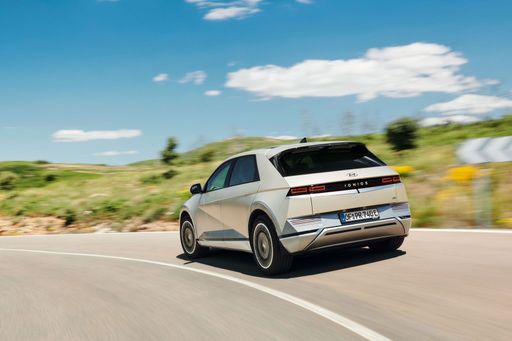
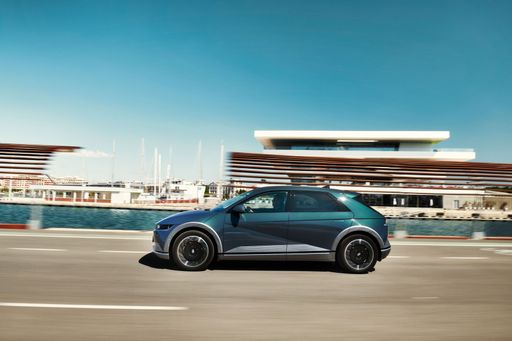
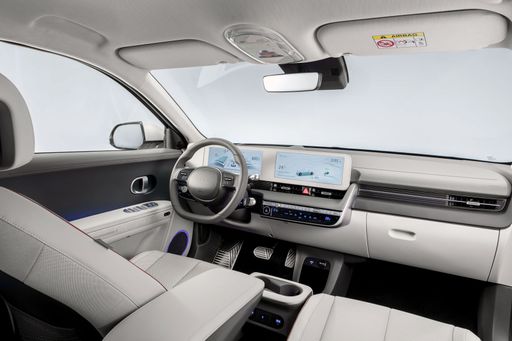
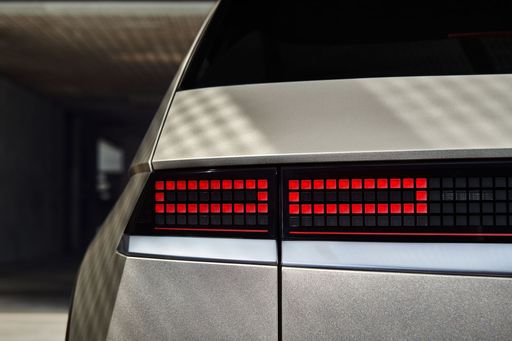
The Hyundai Ioniq 5 blends retro-futurist style with a lounge-like cabin, making everyday drives feel calm, cool, and quietly confident. Snappy off-the-line punch, swift charging, and clever family-friendly packaging make it an EV that wins hearts and heads without trying too hard.
details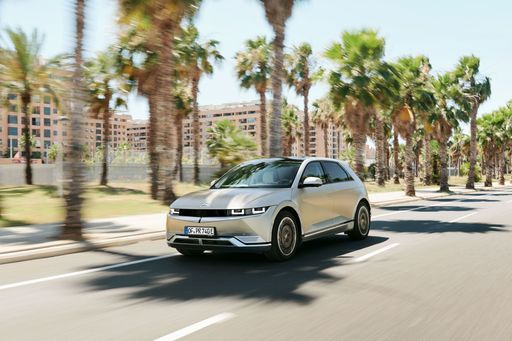
Toyota Tundra 4WD
Hyundai IONIQ 5
Costs and Consumption |
|
|---|---|
|
Price
43,100 - 80,700 $
|
Price
41,800 - 57,400 $
|
|
FuelEconomy City
17 - 20 mpg
|
FuelEconomy City
-
|
|
FuelEconomy Hwy
22 - 24 MPG
|
FuelEconomy Hwy
-
|
|
Electric Range
-
|
Electric Range
-
|
|
Battery Capacity
-
|
Battery Capacity
-
|
|
Fuel tank capacity
22.5 - 32.2 gal
|
Fuel tank capacity
-
|
Dimensions and Body |
|
|---|---|
|
Body Type
Pickup, CrewMax
|
Body Type
SUV
|
|
Seats
5
|
Seats
5
|
|
Doors
-
|
Doors
-
|
|
Curb weight
5,380 - 6,185 lbs
|
Curb weight
3,968 - 4,663 lbs
|
|
Trunk Volume
-
|
Trunk Volume
-
|
|
Length
233.6 - 252.5 in.
|
Length
182.5 in.
|
|
Width
80.2 - 81.6 in.
|
Width
74.4 in.
|
|
Height
78 in.
|
Height
63 in.
|
Engine and Performance |
|
|---|---|
|
Engine Type
Gasoline, Hybrid
|
Engine Type
Electric
|
|
Transmission
Automatic
|
Transmission
Automatic
|
|
Drive Type
All Wheel
|
Drive Type
Rear Wheel, All Wheel
|
|
Power HP
358 - 437 HP
|
Power HP
168 - 320 HP
|
|
Torque
406 - 583 lb-ft
|
Torque
258 - 446 lb-ft
|
|
Number of Cylinders
-
|
Number of Cylinders
-
|
|
Engine Displacement
3.4 L
|
Engine Displacement
-
|
|
Gears
-
|
Gears
-
|
General |
|
|---|---|
|
Model Year
2,025
|
Model Year
2,024
|
|
Brand
Toyota
|
Brand
Hyundai
|
DriveDuel uses data analysis and artificial intelligence to evaluate vehicle data and create content. Content is regularly reviewed and improved.
Prices shown are manufacturer suggested retail prices (MSRP). Taxes, registration fees and dealer charges are not included.