VS

Audi Q5 vs Hyundai Kona - Differences and prices compared

Compare performance (362 HP vs 190 HP), trunk space and price (45,400 $ vs 24,600 $ ) at a glance. See which model fits your needs and budget better – Audi Q5 or Hyundai Kona?

Audi Q5 vs Hyundai Kona: Key differences

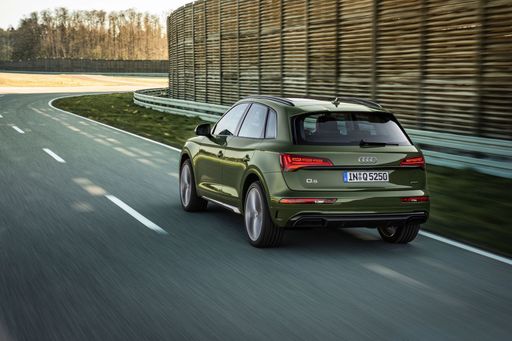
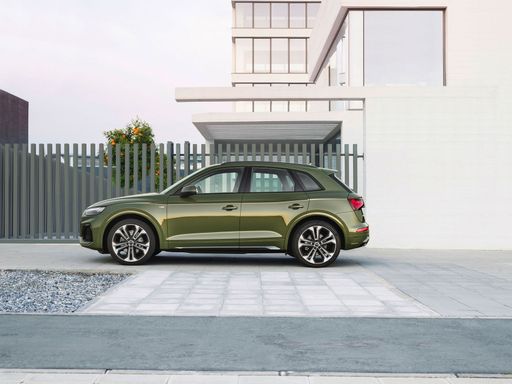
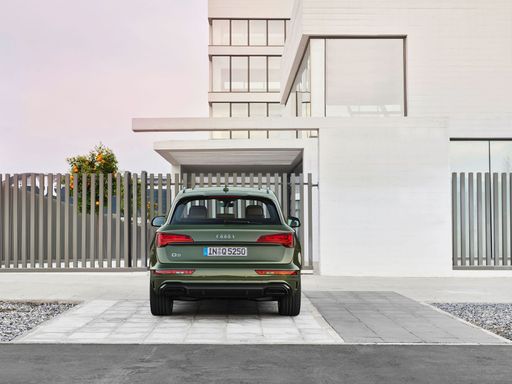
Audi Q5

  • substantially more power
details

Hyundai Kona

  • clearly cheaper
  • markedly more efficient
  • markedly lighter
details
Q5

Audi Q5 vs Hyundai Kona: which suits your life?

The Audi Q5 and Hyundai Kona serve very different needs, and that’s exactly what makes Audi Q5 VS Hyundai Kona an interesting matchup. The Q5 leans into premium calm and long‑distance polish, while the Kona focuses on smart packaging and value that shines in daily urban use. Think of the Audi as a relaxed, confident cruiser and the Hyundai as a right‑sized city ally that still handles family tasks. Your decision will hinge on whether you prioritize hushed refinement and space or straightforward usability and cost control. Both seat five, but they deliver that promise with very different attitudes.

Kona

Driving character and day-to-day feel

The Audi Q5 settles into a serene, planted rhythm, feeling unflustered on rough pavement and reassuring in bad weather thanks to its all‑weather demeanor. It has effortless thrust on tap, so merging and passing happen with little fuss and less noise than most rivals. The Hyundai Kona is lighter and more easygoing in town, threading traffic and parking spots with less stress. Its suspension is tuned for comfort over agility, which suits commuting, though it feels softer and less composed if you push on a winding road. If you want quiet confidence at speed, the Q5 speaks your language; if you value nimbleness at city pace, the Kona feels more natural.

Q5

Cabin tech and controls you’ll live with

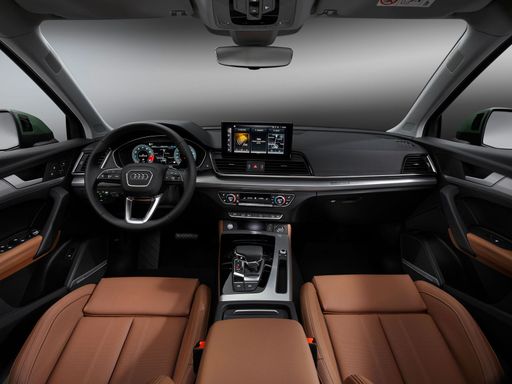
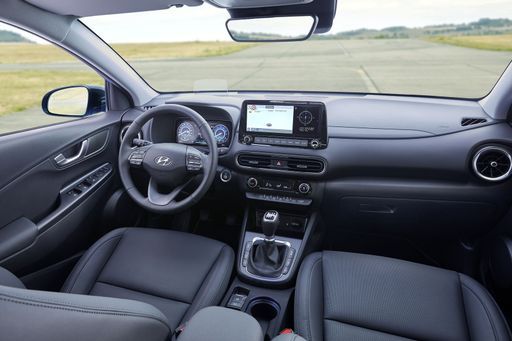
The Audi Q5’s cabin looks and feels upscale, with crisp displays and a modern interface that puts a lot of functions on screen. That wow factor comes with a learning curve, and touch‑heavy controls can demand more eyes‑off‑the‑road time until you’re familiar. The Hyundai Kona takes the opposite approach: big screens, yes, but with clear menus and honest-to-goodness physical buttons for the stuff you use every day. Materials in the Kona skew practical over plush, yet it feels thoughtfully assembled and easy to keep clean. If you want a high‑tech showcase, the Q5 delivers; if you want tech that fades into the background, the Kona nails everyday usability.

Kona

Space, storage and family practicality

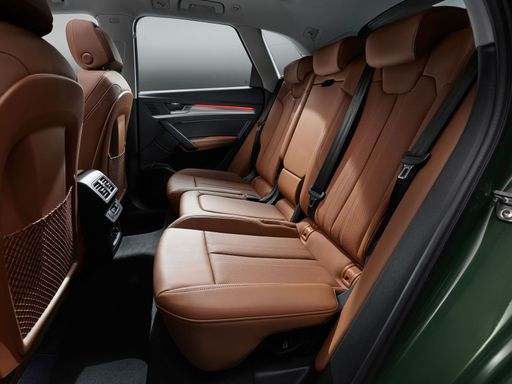
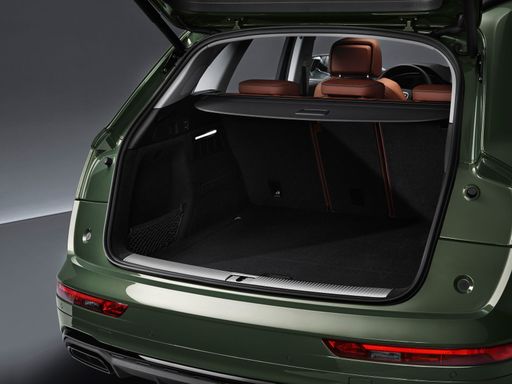
The Audi Q5 offers a notably roomier second row and a more flexible cargo area, making it the better fit for growing kids and bulkier strollers or sports gear. Its cabin layout feels airy, and small‑item storage is well sorted for family life. The Hyundai Kona punches above its size, with clever cubbies, a low load floor, and a trunk that’s usefully shaped for grocery runs and weekend gear. Adults fit fine in the back of the Kona for short to medium trips, but the bench and angles are less relaxed on long hauls. If family road trips and big‑item flexibility matter, the Q5 feels purpose‑built; if you mostly juggle city errands and daycare drop‑offs, the Kona’s smart packaging shines.

Q5

Road-trip comfort, refinement and running costs

On the highway, the Audi Q5 is impressively quiet and stable, the kind of SUV that keeps you fresher after a full day behind the wheel. Its available comfort upgrades further smooth out expansion joints and coarse surfaces, underscoring its premium brief. The Hyundai Kona is calmer than its predecessor and perfectly capable of long drives, but wheel choice and rough pavement can reveal more motion and road noise than in the Audi. The Kona answers back with thriftier fuel use in everyday driving and a friendlier ownership picture, helped by Hyundai’s strong warranty. If you crave long‑distance hush and range between stops, the Q5 is your ally; if you’re watching monthly costs, the Kona makes that easier.

Kona

City manners and buyer fit

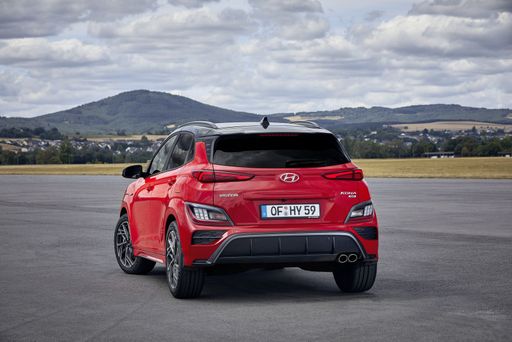
The Hyundai Kona’s compact footprint and excellent visibility make quick work of tight streets and small parking garages, and its driver aids are a real stress reducer downtown. The Audi Q5 is still easy to place for its class, with clear sightlines and cameras, but it feels wider and more substantial in dense traffic. Shoppers drawn to a premium compact SUV experience—quiet power, upscale ambiance, and confident all‑weather traction—will feel immediately at home in the Audi Q5. Those who prioritize a manageable size, straightforward controls, modern features, and value will click with the Hyundai Kona. Keep these priorities in mind as you dive into the specs next to see which trade‑offs line up with your life.

Here’s where it gets real: The technical differences in detail

Q5

Costs and Efficiency:

Price and efficiency are often the first things buyers look at. Here it becomes clear which model has the long-term edge – whether at the pump, the plug, or in purchase price.

Hyundai Kona is clearly cheaper – starting at 24,600 $ , while the Audi Q5 costs 45,400 $ . That’s a price difference of around 20,850 $.

When it comes to city fuel economy, the Hyundai Kona performs markedly better – achieving 29 mpg, compared to 23 mpg for the Audi Q5. That’s a difference of about 6 mpg.

Kona

Engine and Performance:

Power, torque and acceleration say a lot about how a car feels on the road. This is where you see which model delivers more driving dynamics.

When it comes to engine power, the Audi Q5 offers substantially more power – delivering 362 HP compared to 190 HP. That’s roughly 172 HP more horsepower.

There’s also a difference in torque: the Audi Q5 delivers considerably more torque with 369 lb-ft compared to 195 lb-ft. That’s about 174 lb-ft more.

Q5

Space and Everyday Use:

Cabin size, boot volume and payload all play a role in everyday practicality. Here, comfort and flexibility make the difference.

Both vehicles offer seating for 5 people.

In terms of curb weight, Hyundai Kona is markedly lighter – 3,005 lbs compared to 4,079 lbs. The difference is around 1,074 lbs.

Who wins the race in the data check?

The Hyundai Kona has the upper hand in the objective data comparison.
This result only shows which model scores more points on paper – not which of the two cars feels right for you.

from $24,600
Kona

Hyundai Kona

  • Engine Type : Gasoline
  • Transmission : Automatic
  • Drive Type : Front Wheel, All Wheel
  • Power HP : 147 - 190 HP
Audi Q5
Hyundai Kona

Costs and Consumption

View detailed analysis

Engine and Performance

View detailed analysis

Dimensions and Body

View detailed analysis

General

View detailed analysis

Audi Q5

The Audi Q5 blends understated style with a calm, confidence-inspiring drive, backed by quattro grip that keeps things composed when the weather throws a tantrum. Inside, it serves up the trademark Audi mix of plush materials and intuitive tech, with family-friendly practicality that might make you forget the word minivan.

details

Hyundai Kona

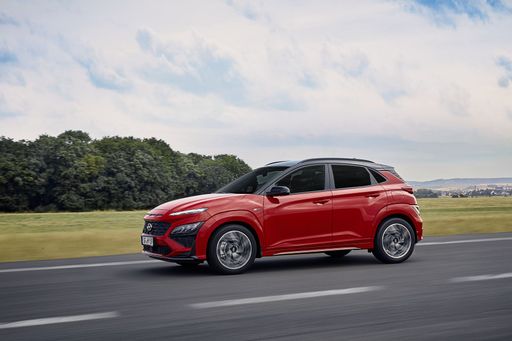
The Hyundai Kona brings funky, urban-chic styling and a surprisingly grown-up ride to the small-SUV party, making school runs and coffee runs feel a bit more special. With a techy cabin, clever space use, and powertrains ranging from frugal to feisty—including an EV—it’s the kind of crossover that’s just as happy in a tight parking garage as it is on a weekend escape.

details
Audi Q5
Hyundai Kona

Costs and Consumption

Price
45,400 - 66,700 $
Price
24,600 - 33,600 $
FuelEconomy City
23 mpg
FuelEconomy City
24 - 29 mpg
FuelEconomy Hwy
28 - 29 MPG
FuelEconomy Hwy
29 - 35 MPG
Electric Range
-
Electric Range
-
Battery Capacity
-
Battery Capacity
-
Fuel tank capacity
14.3 - 18.5 gal
Fuel tank capacity
12.4 - 13.2 gal

Dimensions and Body

Body Type
SUV
Body Type
SUV
Seats
5
Seats
5
Doors
-
Doors
-
Curb weight
4,079 - 4,652 lbs
Curb weight
3,005 - 3,505 lbs
Trunk Volume
-
Trunk Volume
-
Length
184.3 in.
Length
171.3 - 172.6 in.
Width
74.5 in.
Width
71.9 in.
Height
65 in.
Height
62 in.

Engine and Performance

Engine Type
, Plug-In Hybrid
Engine Type
Gasoline
Transmission
Automatic
Transmission
Automatic
Drive Type
All Wheel
Drive Type
Front Wheel, All Wheel
Power HP
201 - 362 HP
Power HP
147 - 190 HP
Torque
236 - 369 lb-ft
Torque
132 - 195 lb-ft
Number of Cylinders
-
Number of Cylinders
-
Engine Displacement
2 L
Engine Displacement
1.6 - 2 L
Gears
-
Gears
-

General

Model Year
2025
Model Year
2025
Brand
Audi
Brand
Hyundai
DriveDuel uses data analysis and artificial intelligence to evaluate vehicle data and create content. Content is regularly reviewed and improved. Prices shown are manufacturer suggested retail prices (MSRP). Taxes, registration fees and dealer charges are not included.