
VS
BMW M3 vs Toyota Sequoia - Differences and prices compared
Compare performance (523 HP vs 437 HP), trunk space and price (76,000 $ vs 62,400 $ ) at a glance. See which model fits your needs and budget better – BMW M3 or Toyota Sequoia?
M3
Costs and Efficiency:
Price and efficiency are key factors when choosing a car – and this is often where the real differences emerge.
Toyota Sequoia is clearly cheaper – starting at 62,400 $ , while the BMW M3 costs 76,000 $ . That’s a price difference of around 13,575 $.
When it comes to city fuel economy, the Toyota Sequoia performs markedly better – achieving 21 mpg, compared to 16 mpg for the BMW M3. That’s a difference of about 5 mpg.
Sequoia
Engine and Performance:
Power, torque and acceleration say a lot about how a car feels on the road. This is where you see which model delivers more driving dynamics.
When it comes to engine power, the BMW M3 offers a bit more power – delivering 523 HP compared to 437 HP. That’s roughly 86 HP more horsepower.
There’s also a difference in torque: the Toyota Sequoia delivers somewhat more torque with 583 lb-ft compared to 479 lb-ft. That’s about 104 lb-ft more.
Space and Everyday Use:
Cabin size, boot volume and payload all play a role in everyday practicality. Here, comfort and flexibility make the difference.
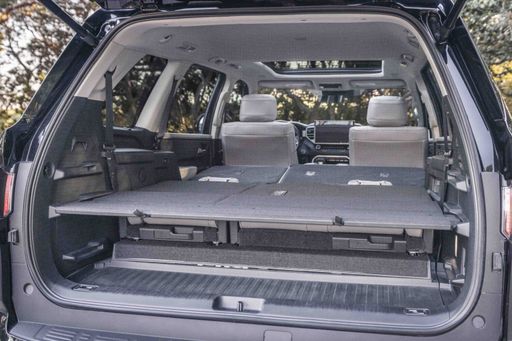
Seats: Toyota Sequoia offers more seats – 8 vs 5.
In terms of curb weight, BMW M3 is significantly lighter – 3,840 lbs compared to 5,620 lbs. The difference is around 1,780 lbs.
Who wins the race in the data check?
The Toyota Sequoia holds a decisive overall lead in the objective data comparison.
This result only shows which model scores more points on paper – not which of the two cars feels right for you.
from $62,400
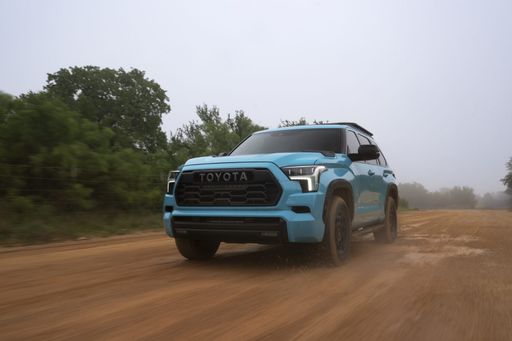
Toyota Sequoia
BMW M3
Toyota Sequoia
Costs and Consumption
View detailed analysis
View detailed analysis
Engine and Performance
View detailed analysis
View detailed analysis
Dimensions and Body
View detailed analysis
View detailed analysis
General
View detailed analysis
View detailed analysis
BMW M3
The BMW M3 stands as a quintessential beacon of performance prowess in the world of luxury sports sedans. Characterized by its ferocious engine and precision engineering, it delivers an exhilarating driving experience that is equally at home on both the track and the open road. Blending sophistication with sheer muscle, this model remains a favorite among enthusiasts seeking the ultimate blend of everyday usability and dynamic sporting flair.
details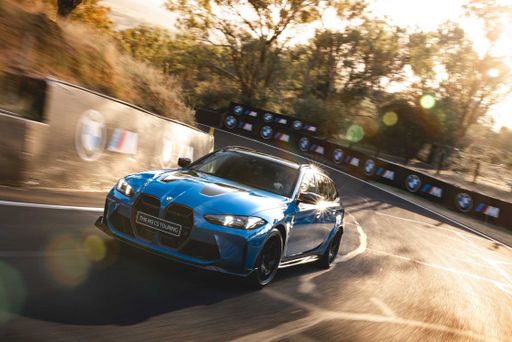
Toyota Sequoia
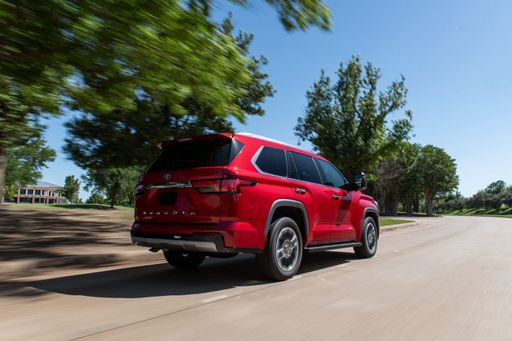
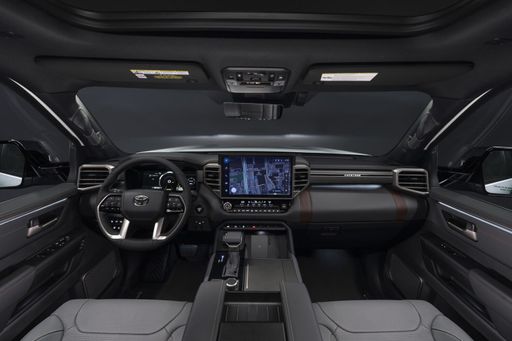
The Toyota Sequoia is a go-anywhere family hauler that blends truck-tough swagger with a surprisingly calm cabin and a hybrid punch that keeps fuel stops from becoming a pastime. It’s not the most cargo-flexible when all seats are in play and the ride can get a touch busy, but its durability and long-haul comfort make it a confident pick for big adventures and bigger daily duties.
details
BMW M3
Toyota Sequoia
Costs and Consumption |
|
|---|---|
|
Price
76,000 - 85,300 $
|
Price
62,400 - 83,900 $
|
|
FuelEconomy City
15 - 16 mpg
|
FuelEconomy City
19 - 21 mpg
|
|
FuelEconomy Hwy
22 - 23 MPG
|
FuelEconomy Hwy
22 - 24 MPG
|
|
Electric Range
-
|
Electric Range
-
|
|
Battery Capacity
-
|
Battery Capacity
-
|
|
Fuel tank capacity
15.6 gal
|
Fuel tank capacity
22.5 gal
|
Dimensions and Body |
|
|---|---|
|
Body Type
Sedan
|
Body Type
SUV
|
|
Seats
5
|
Seats
7 - 8
|
|
Doors
-
|
Doors
-
|
|
Curb weight
3,840 - 3,990 lbs
|
Curb weight
5,620 - 6,185 lbs
|
|
Trunk Volume
16.9 cu. ft.
|
Trunk Volume
-
|
|
Length
189.1 in.
|
Length
208.1 in.
|
|
Width
74.3 in.
|
Width
79.6 in.
|
|
Height
56 in.
|
Height
74 - 77 in.
|
Engine and Performance |
|
|---|---|
|
Engine Type
Gasoline
|
Engine Type
Hybrid
|
|
Transmission
Manual, Automatic
|
Transmission
Automatic
|
|
Drive Type
Rear Wheel, All Wheel
|
Drive Type
Rear Wheel, All Wheel
|
|
Power HP
473 - 523 HP
|
Power HP
437 HP
|
|
Torque
406 - 479 lb-ft
|
Torque
583 lb-ft
|
|
Number of Cylinders
-
|
Number of Cylinders
-
|
|
Engine Displacement
3 L
|
Engine Displacement
3.4 L
|
|
Gears
-
|
Gears
-
|
General |
|
|---|---|
|
Model Year
2,025
|
Model Year
2,025
|
|
Brand
BMW
|
Brand
Toyota
|
DriveDuel uses data analysis and artificial intelligence to evaluate vehicle data and create content. Content is regularly reviewed and improved.
Prices shown are manufacturer suggested retail prices (MSRP). Taxes, registration fees and dealer charges are not included.