
VS
Ford Maverick vs Hyundai IONIQ 5 - Differences and prices compared
Compare performance (250 HP vs 320 HP), trunk space and price (27,000 $ vs 41,800 $ ) at a glance. See which model fits your needs and budget better – Ford Maverick or Hyundai IONIQ 5?
Maverick
Costs and Efficiency:
Looking at overall running costs, both models reveal some interesting differences in everyday economy.
Ford Maverick is clearly cheaper – starting at 27,000 $ , while the Hyundai IONIQ 5 costs 41,800 $ . That’s a price difference of around 14,805 $.
IONIQ 5
Engine and Performance:
Power, torque and acceleration say a lot about how a car feels on the road. This is where you see which model delivers more driving dynamics.
When it comes to engine power, the Hyundai IONIQ 5 offers noticeably more power – delivering 320 HP compared to 250 HP. That’s roughly 70 HP more horsepower.
There’s also a difference in torque: the Hyundai IONIQ 5 delivers markedly more torque with 446 lb-ft compared to 280 lb-ft. That’s about 166 lb-ft more.
Maverick
Space and Everyday Use:
Beyond pure performance, interior space and usability matter most in daily life. This is where you see which car is more practical and versatile.
Both vehicles offer seating for 5 people.
In terms of curb weight, Ford Maverick is barely lighter – 3,685 lbs compared to 3,968 lbs. The difference is around 283 lbs.
Who wins the race in the data check?
The Ford Maverick is narrowly ahead in the objective data comparison.
This result only shows which model scores more points on paper – not which of the two cars feels right for you.
from $27,000
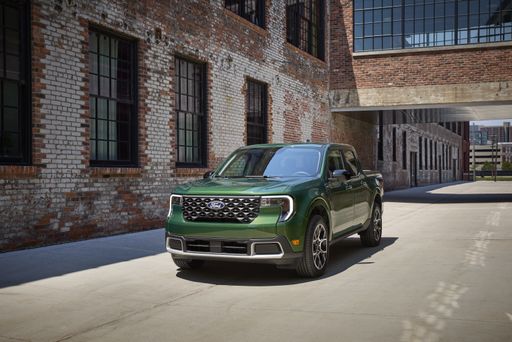
Ford Maverick
Ford Maverick
Hyundai IONIQ 5
Costs and Consumption
View detailed analysis
View detailed analysis
Engine and Performance
View detailed analysis
View detailed analysis
Dimensions and Body
View detailed analysis
View detailed analysis
General
View detailed analysis
View detailed analysis
Ford Maverick
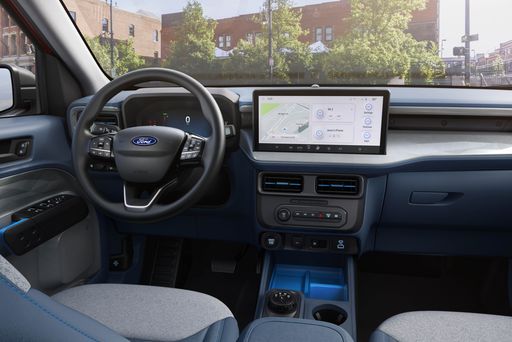
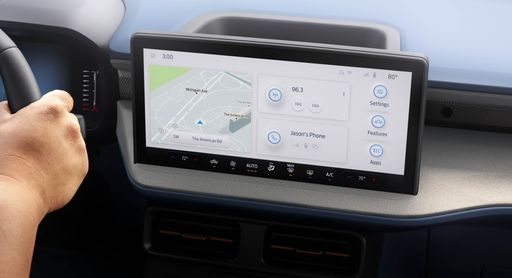
The Ford Maverick proves a pickup can be easy to park, easy on your wallet, and still ready for weekend projects. It blends smart cabin space and clever bed tricks with a surprisingly smooth ride, making it a no-drama daily driver that still loves a muddy detour.
details

Hyundai IONIQ 5
The Hyundai Ioniq 5 blends retro-futurist style with a lounge-like cabin, making everyday drives feel calm, cool, and quietly confident. Snappy off-the-line punch, swift charging, and clever family-friendly packaging make it an EV that wins hearts and heads without trying too hard.
details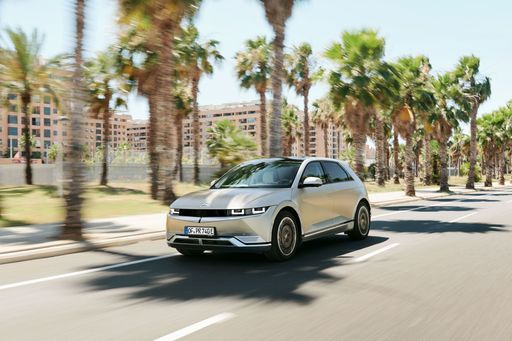
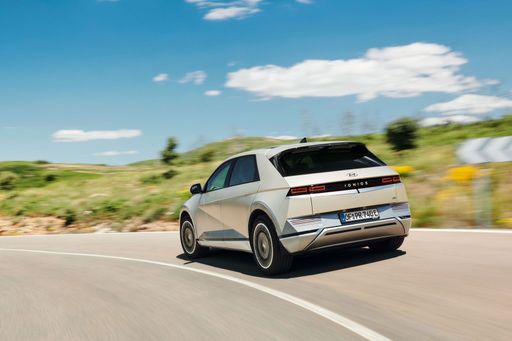
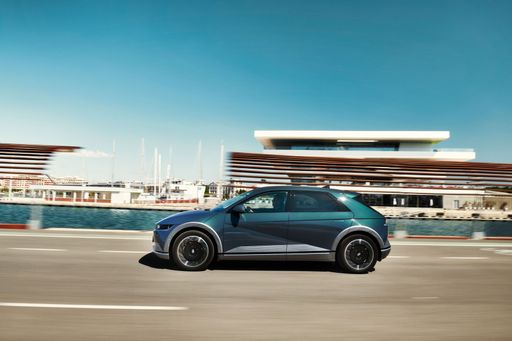
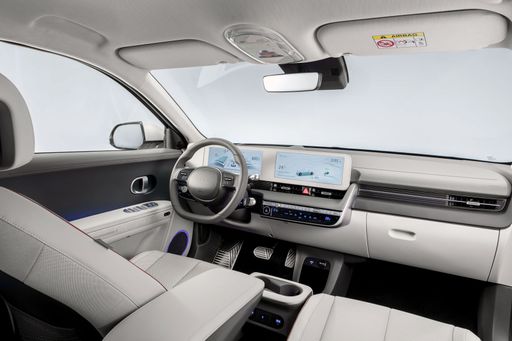
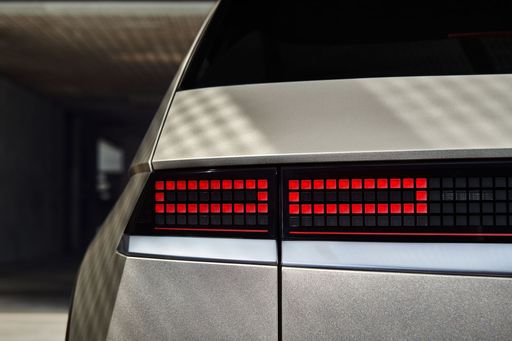
Ford Maverick
Hyundai IONIQ 5
Costs and Consumption |
|
|---|---|
|
Price
27,000 - 40,800 $
|
Price
41,800 - 57,400 $
|
|
FuelEconomy City
-
|
FuelEconomy City
-
|
|
FuelEconomy Hwy
-
|
FuelEconomy Hwy
-
|
|
Electric Range
-
|
Electric Range
-
|
|
Battery Capacity
-
|
Battery Capacity
-
|
|
Fuel tank capacity
13.8 - 16.5 gal
|
Fuel tank capacity
-
|
Dimensions and Body |
|
|---|---|
|
Body Type
SuperCrew
|
Body Type
SUV
|
|
Seats
5
|
Seats
5
|
|
Doors
-
|
Doors
-
|
|
Curb weight
3,685 - 3,892 lbs
|
Curb weight
3,968 - 4,663 lbs
|
|
Trunk Volume
-
|
Trunk Volume
-
|
|
Length
199.7 - 200.7 in.
|
Length
182.5 in.
|
|
Width
72.6 in.
|
Width
74.4 in.
|
|
Height
68 - 69 in.
|
Height
63 in.
|
Engine and Performance |
|
|---|---|
|
Engine Type
Gasoline,
|
Engine Type
Electric
|
|
Transmission
Automatic
|
Transmission
Automatic
|
|
Drive Type
All Wheel, Front Wheel
|
Drive Type
Rear Wheel, All Wheel
|
|
Power HP
191 - 250 HP
|
Power HP
168 - 320 HP
|
|
Torque
155 - 280 lb-ft
|
Torque
258 - 446 lb-ft
|
|
Number of Cylinders
-
|
Number of Cylinders
-
|
|
Engine Displacement
2 - 2.5 L
|
Engine Displacement
-
|
|
Gears
-
|
Gears
-
|
General |
|
|---|---|
|
Model Year
2,025
|
Model Year
2,024
|
|
Brand
Ford
|
Brand
Hyundai
|
DriveDuel uses data analysis and artificial intelligence to evaluate vehicle data and create content. Content is regularly reviewed and improved.
Prices shown are manufacturer suggested retail prices (MSRP). Taxes, registration fees and dealer charges are not included.