
VS
Hyundai Kona vs Mazda CX-70 PHEV - Differences and prices compared
Compare performance (190 HP vs 323 HP), trunk space and price (24,600 $ vs 54,400 $ ) at a glance. See which model fits your needs and budget better – Hyundai Kona or Mazda CX-70 PHEV?
Kona
Costs and Efficiency:
Price and efficiency are often the first things buyers look at. Here it becomes clear which model has the long-term edge – whether at the pump, the plug, or in purchase price.
Hyundai Kona is clearly cheaper – starting at 24,600 $ , while the Mazda CX-70 PHEV costs 54,400 $ . That’s a price difference of around 29,850 $.
CX-70 PHEV
Engine and Performance:
Power, torque and acceleration are the classic benchmarks for car enthusiasts – and here, some clear differences start to show.
When it comes to engine power, the Mazda CX-70 PHEV offers substantially more power – delivering 323 HP compared to 190 HP. That’s roughly 133 HP more horsepower.
There’s also a difference in torque: the Mazda CX-70 PHEV delivers substantially more torque with 369 lb-ft compared to 195 lb-ft. That’s about 174 lb-ft more.
Kona
Space and Everyday Use:
Beyond pure performance, interior space and usability matter most in daily life. This is where you see which car is more practical and versatile.
Both vehicles offer seating for 5 people.
In terms of curb weight, Hyundai Kona is considerably lighter – 3,005 lbs compared to 5,198 lbs. The difference is around 2,193 lbs.
Who wins the race in the data check?
The Hyundai Kona is clearly ahead overall in the objective data comparison.
This result only shows which model scores more points on paper – not which of the two cars feels right for you.
from $24,600

Hyundai Kona
Hyundai Kona
Mazda CX-70 PHEV
Costs and Consumption
View detailed analysis
View detailed analysis
Engine and Performance
View detailed analysis
View detailed analysis
Dimensions and Body
View detailed analysis
View detailed analysis
General
View detailed analysis
View detailed analysis
Hyundai Kona
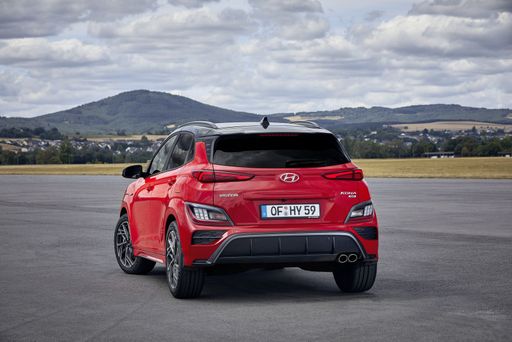
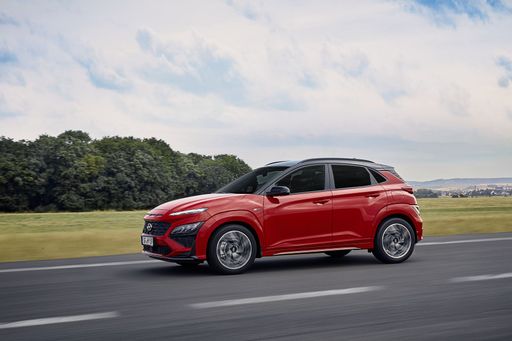
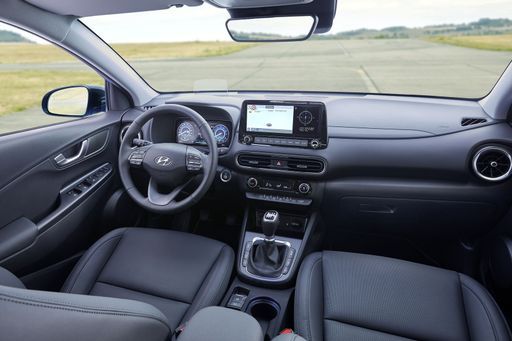
The Hyundai Kona brings funky, urban-chic styling and a surprisingly grown-up ride to the small-SUV party, making school runs and coffee runs feel a bit more special. With a techy cabin, clever space use, and powertrains ranging from frugal to feisty—including an EV—it’s the kind of crossover that’s just as happy in a tight parking garage as it is on a weekend escape.
details
Mazda CX-70 PHEV
The Mazda CX-70 PHEV is an exciting addition to the automaker's lineup, combining elegant design with environmental consciousness. It offers a seamless driving experience, balancing performance and efficiency through its hybrid capabilities. This model embodies Mazda's commitment to innovation and sustainability while delivering the dynamic handling the brand is known for.
details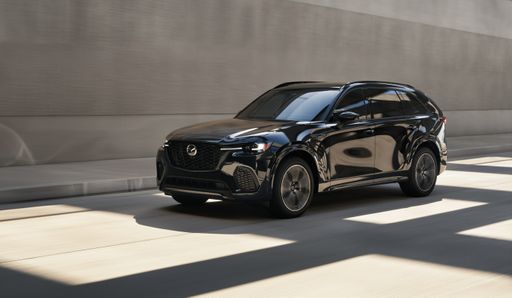
Hyundai Kona
Mazda CX-70 PHEV
Costs and Consumption |
|
|---|---|
|
Price
24,600 - 33,600 $
|
Price
54,400 - 57,500 $
|
|
FuelEconomy City
24 - 29 mpg
|
FuelEconomy City
-
|
|
FuelEconomy Hwy
29 - 35 MPG
|
FuelEconomy Hwy
-
|
|
Electric Range
-
|
Electric Range
-
|
|
Battery Capacity
-
|
Battery Capacity
-
|
|
Fuel tank capacity
12.4 - 13.2 gal
|
Fuel tank capacity
18.5 gal
|
Dimensions and Body |
|
|---|---|
|
Body Type
SUV
|
Body Type
SUV
|
|
Seats
5
|
Seats
5
|
|
Doors
-
|
Doors
-
|
|
Curb weight
3,005 - 3,505 lbs
|
Curb weight
5,198 lbs
|
|
Trunk Volume
-
|
Trunk Volume
-
|
|
Length
171.3 - 172.6 in.
|
Length
200.8 in.
|
|
Width
71.9 in.
|
Width
77.6 in.
|
|
Height
62 in.
|
Height
68 in.
|
Engine and Performance |
|
|---|---|
|
Engine Type
Gasoline
|
Engine Type
Plug-In Hybrid
|
|
Transmission
Automatic
|
Transmission
Automatic
|
|
Drive Type
Front Wheel, All Wheel
|
Drive Type
All Wheel
|
|
Power HP
147 - 190 HP
|
Power HP
323 HP
|
|
Torque
132 - 195 lb-ft
|
Torque
369 lb-ft
|
|
Number of Cylinders
-
|
Number of Cylinders
-
|
|
Engine Displacement
1.6 - 2 L
|
Engine Displacement
2.5 L
|
|
Gears
-
|
Gears
-
|
General |
|
|---|---|
|
Model Year
2025
|
Model Year
2025
|
|
Brand
Hyundai
|
Brand
Mazda
|
DriveDuel uses data analysis and artificial intelligence to evaluate vehicle data and create content. Content is regularly reviewed and improved.
Prices shown are manufacturer suggested retail prices (MSRP). Taxes, registration fees and dealer charges are not included.